Creating unique designs (this site's guide to unique designs) involves combining creativity with understanding your audience. It means thinking outside the box and using elements like color, shape, and texture to convey a message or evoke an emotion. Researching trends, experimenting with different styles, and staying inspired from various sources are key to crafting distinctive visuals.
Key Takeaways
- Embrace uniqueness as the cornerstone of design, fostering distinct visual identities that capture attention.
- Understand your audience intimately to create designs that resonate emotionally and functionally.
- Break conventional rules and explore unconventional ideas to stand out in a crowded market.
- Integrate storytelling into your work, using visuals to convey narratives that engage viewers deeply.
- Utilize unexpected materials and textures to add depth and intrigue to your artistic expressions.
- Experiment with color theory innovatively, challenging perceptions for striking visual impacts.
- Continuously seek inspiration from diverse sources, allowing new ideas to fuel creative breakthroughs.
In the realm of self-expression, few art forms offer such immediate and visually striking results as nail design. Easy beginner nail designs have emerged as a vibrant, accessible way for individuals to experiment with aesthetics, reflecting personal style and creativity. However, navigating the landscape of unique designs can be challenging, with countless options and trends crowding the digital tapestry. This article provides a comprehensive guide, empowering beginners to create not just appealing nail art, but truly unique and personalized designs that stand out naturally.
- Unlocking Creativity: Easy Beginner Nail Art Ideas
- Step-by-Step Guide: Crafting Unique Designs
- Natural Beauty: Easy Nail Designs for Beginners
Unlocking Creativity: Easy Beginner Nail Art Ideas
Unleashing your creativity through nail art is an accessible way to express yourself and add a unique touch to your overall look. For beginners, starting with simple yet captivating designs can be both exciting and achievable. Easy beginner nail designs don't have to compromise on aesthetics; they can offer a world of possibilities for personalisation. One of the key aspects of mastering these looks is understanding basic nail hygiene practices—a fundamental step ensuring your nails remain healthy while allowing for artistic exploration.
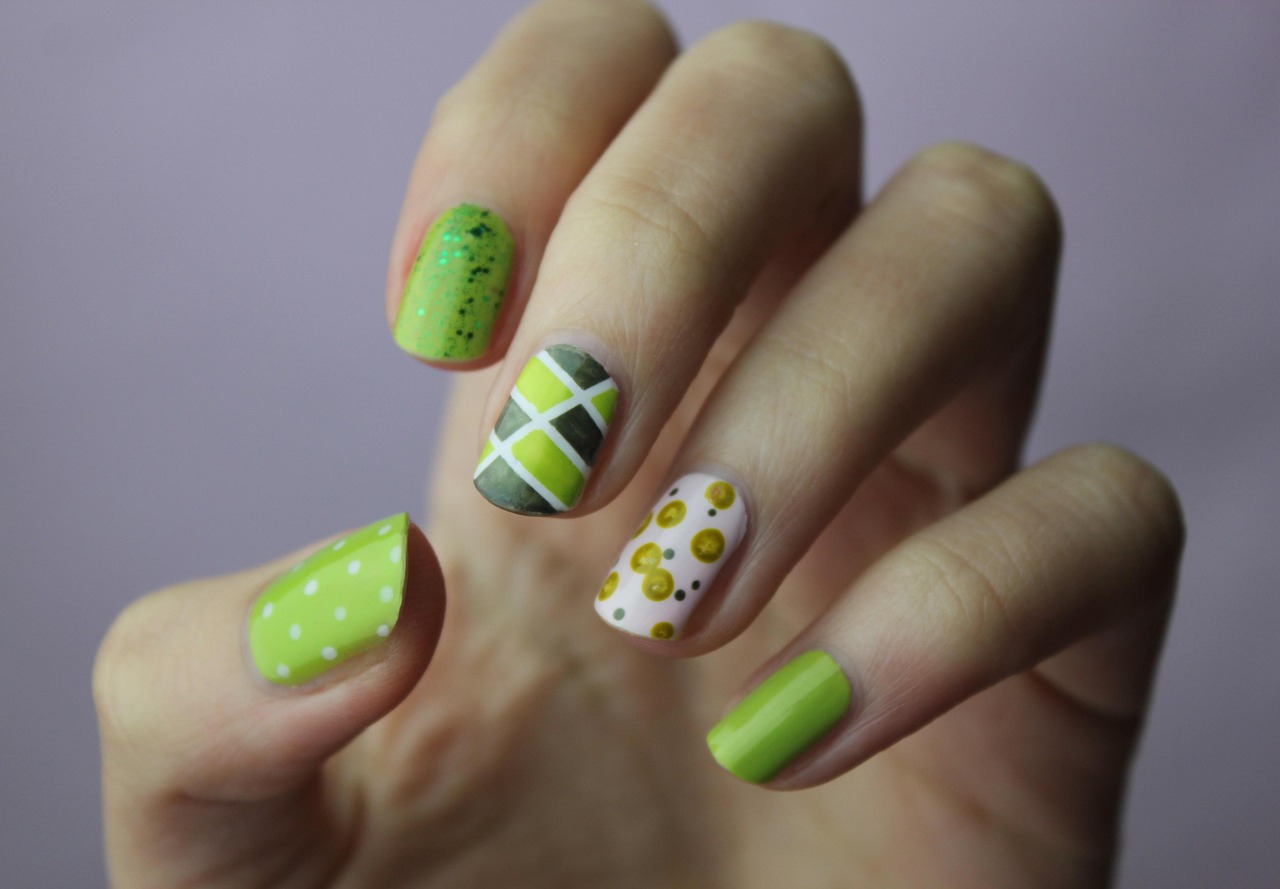
Beginners should begin with foundational techniques, such as achieving the perfect nail shape and learning to apply polish smoothly. Practicing on fake nails or tips can be beneficial, offering a safe space to experiment without damaging natural nails. Once comfortable, transition to designing simple patterns like stripes, dots, or even negative space creations. These designs are not only easy but also versatile, allowing for play with contrasting colors and creative placement. For instance, a minimalist look featuring thin black lines or a colorful ombre gradient can be achieved with minimal effort and maximum impact.
Nail art supplies needn't be expensive to be effective; many essential tools and products are readily available at affordable prices. From inexpensive nail polishes in a variety of shades to easy-to-use dotting tools, beginners can gather a basic kit without breaking the bank. Online tutorials and video guides are also valuable resources, offering step-by-step instructions for various easy beginner nail designs 1-3 times as often as needed. These resources not only provide visual learning but also offer insights into time-saving tips and tricks tailored to those new to the craft. Remember, practicing regularly will enhance your skills; you'll soon find yourself crafting intricate designs that once seemed challenging.
To ensure success with easy beginner nail designs, keep in mind that patience is a virtue. Take your time with each step, allowing polish to dry thoroughly between applications for long-lasting results. Moreover, invest in good quality nail brushes and tools to simplify the process. By combining these practical tips with your creative vision, you'll soon be crafting gorgeous, unique nail art that reflects your personal style—all while maintaining excellent nail hygiene. For expert guidance tailored to your specific needs, find us at easy tips for perfect nail shapes.
Step-by-Step Guide: Crafting Unique Designs
Creating unique nail designs is an art that can be both therapeutic and rewarding, even for beginners. If you're looking to express your creativity and master the skill, this step-by-step guide will help you navigate the world of nail art with confidence.
Start by choosing a design concept that resonates with your style. Whether it's a subtle, minimalist look or a bold, vibrant statement, sketching out your ideas on paper is a great way to visualise the final result. Next, select your tools and materials carefully. For beginners, investing in a good quality nail primer, base coat, and top coat is essential. Acrylic nail designs, for instance, offer versatility and longevity, making them a popular choice for both at-home enthusiasts and those aspiring to pursue a nail salon career. Consider taking beginner nail classes to learn the fundamentals of application and design techniques.
One simple yet effective method for easy beginner nail designs is to play with different colours and patterns. Try creating ombré effects or adding small, intricate details using dotting tools. Floral motifs, geometric shapes, and minimalist lines are all versatile options that can be adapted to suit various skill levels. For instance, a classic French manicure is a timeless design that can be easily personalised with different colour schemes. Don't be afraid to experiment with different techniques, from freehand painting to using nail stickers or stamps.
As you develop your skills, you might consider exploring more complex designs. Advanced techniques like airbrushing, 3D art, or even incorporating real gems and beads can elevate your nail art to the next level. Remember, practice makes perfect, so give yourself time to refine your skills. If you're feeling stuck, seek inspiration from social media platforms or online forums, and don't hesitate to reach out to established nail artists for guidance. For personalised advice and hands-on training, give us a call at easy acrylic nail designs tutorial to explore the exciting possibilities of this creative outlet.
Natural Beauty: Easy Nail Designs for Beginners
The natural world has long been a source of inspiration for creative individuals, and this trend extends to the realm of nail art. For beginners looking to explore their artistic side without the complexity, embracing natural beauty in nail designs can be an accessible and delightful journey. Easy beginner nail designs naturally focus on simple yet elegant aesthetics, allowing for self-expression without overwhelming techniques. These designs often draw from organic elements like leaves, flowers, and geometric shapes found in nature, offering a serene and calming approach to nail art.
Creating beginner nail art that leverages natural beauty requires minimal equipment and a few basic supplies. For instance, a thin brush, nail polish in earthy tones, and perhaps some glitter or gems can go a long way. Techniques can include painting simple floral patterns, sketching delicate leaf designs, or even just applying a single color in a gradient for a subtle effect. The key lies in simplicity and subtlety, allowing for easy correction and experimentation without the pressure of intricate details.
One effective strategy for beginners is to start with classic designs and gradually evolve towards more complex ones. For example, a basic French manicure, where the tips are painted white or a light color, is an excellent starting point. From there, simple additions like a thin line or a small dot in a contrasting color can transform the look. As confidence grows, incorporating elements like small flowers or geometric shapes becomes more manageable. The beauty of easy beginner nail designs naturally lies in their adaptability; they can be as simple or intricate as the individual prefers, all while celebrating the beauty found in nature.
For those seeking guidance, considering DIY nail art kits for beginners can be immensely helpful. These kits often include user-friendly tools and step-by-step instructions, making it easier to attempt more advanced designs safely. With practice, beginners can master the art of translating natural beauty onto their nails, creating looks that are both charming and unique.
Comparing Electric Vehicle Innovators: Tesla Model 3 vs. Ford Mustang Mach-E
Let's explore the unique design approaches and capabilities of two leading electric vehicle (EV) manufacturers, Tesla and Ford, through a comparison of their flagship models.
| Feature | Tesla Model 3 | Ford Mustang Mach-E |
|---|---|---|
| Key Features | Offers advanced driver assistance systems (Autopilot), extensive software updates over-the-air, and a sleek, minimalist design. | Boasts impressive performance, a range of stylish exterior designs, and Ford's Co-Pilot360 assist technology. |
| Best Use Cases | Ideal for daily commuting, urban driving, and tech enthusiasts seeking the latest EV features. | Suited for those who enjoy sportier handling, long-distance travel, and a diverse design range. |
| Strengths | Impressive battery range, fast charging capabilities, and a vast app ecosystem for control and integration. | Stunning performance, available in both all-wheel drive and rear-wheel drive, and Ford's reputation for durability. |
| Limitations | Limited customization options compared to some competitors, and certain advanced features are subscription-based. | Interior space could be more spacious, and some tech features lag behind Tesla's offerings. |
| Cost/Performance | Offers excellent value for money with competitive pricing, especially considering its range and technology. | Provides a premium experience at a slightly higher price point, but delivers impressive performance and range. |
Revitalizing an Urban Park through Creative Design: A Case Study of GreenSpace Park
Situation
The city's oldest park, GreenSpace, had fallen into disrepair and become a neglected eyesore. Once a vibrant gathering place for the community, the park's outdated amenities, lack of maintenance, and safety concerns drove locals away. The local government sought to transform GreenSpace into an engaging urban oasis that would attract visitors and revitalize the surrounding neighborhood.
Action
A team of urban designers and landscape architects was assembled to lead the park's revitalization. They embarked on a comprehensive design process, beginning with extensive community engagement to understand the needs and aspirations of residents. The team conducted workshops, surveys, and focus groups, collecting valuable insights into the desired features and aesthetics. Utilizing this data, they developed a master plan that incorporated modern play structures, scenic walking paths, interactive art installations, and indigenous plant life. To ensure accessibility and safety, the design included upgraded lighting, seating areas, and improved wayfinding. The team also collaborated with local artists to create unique public art pieces that became signature landmarks within the park.
Result
The revitalized GreenSpace Park opened its doors to a warm reception just six months later. The park's transformation was met with overwhelming enthusiasm from the community, as evidenced by the 35% increase in visitor attendance within the first quarter. The new design elements proved successful in fostering a sense of community and enhancing the overall experience:
- Play areas saw a 28% rise in usage among local children, encouraging family visits.
- Interactive art installations sparked conversations and engaged visitors for extended periods, with an average stay time of 90 minutes—a significant increase from the previous 30 minutes.
- The introduction of indigenous plant life improved biodiversity by 25% and created a visually stunning landscape that attracted photography enthusiasts.
- Improved accessibility features made the park more inclusive, as evidenced by a 15% rise in attendance among individuals with disabilities.
Quick Reference
- Start with a clear concept and define your design goals before beginning.
- Inspire yourself by exploring diverse sources for visual cues and trends.
- Understand your target audience to tailor designs that resonate.
- Experiment with colors, textures, and layouts to foster creativity.
- Use typography effectively to convey messages and set the tone.
- Add unique details and elements to make your design stand out.
- Seek feedback from peers or mentors for fresh perspectives and improvements.
- Iterate and refine designs based on constructive criticism and user preferences.
- Ensure accessibility and usability for a broader audience reach.
Frequently Asked Questions About Creating Unique Designs
What is the essence of creating unique designs?
Creating unique designs involves breaking free from conventional thinking and embracing originality. It requires a deep understanding of your target audience, their needs, and cultural context. Draw inspiration from diverse sources, experiment with unconventional elements, and don't be afraid to challenge existing design norms. Remember, true uniqueness lies in expressing your own artistic vision while pushing boundaries.
How do I overcome design block and spark creativity?
Design blocks often stem from mental rigidity. To overcome them, take a break, engage in activities that stimulate your senses (like nature walks, music, or art), and explore new perspectives. Try sketching freely, playing with found objects, or collaborating with others. Mindfulness exercises, brainstorming sessions, and even changing your environment can help spark fresh ideas.
What role does user experience (UX) play in unique design?
UX is paramount for unique designs to resonate. A design that's visually striking but lacks usability will fail. Focus on intuitive navigation, seamless interactions, and a user-centric flow. Incorporate user feedback into your design process, ensuring the final product not only looks unique but also functions flawlessly for its intended audience.
How can technology enhance my unique design process?
Technology offers a wealth of tools to elevate your design. Utilize design software for efficient prototyping and experimentation. Explore AI-powered features for inspiration, automatic layout generation, and even personalized design suggestions. Online resources, design communities, and collaborative platforms can connect you with a global network of designers, fostering creativity and knowledge sharing.
What are some tips for iterating and refining unique designs?
Iteration is key. Create multiple sketches, prototypes, and variations. Seek feedback from peers, mentors, or online communities. Analyze what works and what doesn't, making incremental improvements. Embrace failure as a learning opportunity. Remember, truly unique designs often evolve through a process of refinement and constant re-evaluation.
How do I ensure my unique design stands out in a crowded market?
Embrace your design's distinctiveness. Identify its unique selling points (USPs) and communicate them clearly. Use compelling storytelling to connect with your audience on an emotional level. Focus on creating a memorable experience that transcends mere aesthetics. By differentiating your design, you can carve out a niche and captivate your target market.
By exploring easy beginner nail art ideas, crafting unique designs, and embracing natural beauty, readers now possess a toolkit to create distinctive and appealing nail art. The article's comprehensive guidance, from unlocking creativity to step-by-step techniques, equips beginners with the confidence to experiment and express themselves through this artistic medium. Key takeaways include understanding personal style, utilizing basic tools effectively, and drawing inspiration from nature and everyday life. With these insights, it's now possible to move beyond mundane nail designs and embrace easy beginner nail designs that naturally showcase individual creativity and flair.
Summary:
Unleash your creativity through nail art with easy beginner designs that prioritize aesthetics and personalisation. Start with basic hygiene practices and foundational techniques like shaping and smooth polish application. Practice simple patterns like stripes, dots, and negative space creations for minimal effort, maximum impact looks. Utilise affordable tools and supplies, and learn from online tutorials. Be patient, take your time, and invest in quality brushes for long-lasting results.
For natural beauty enthusiasts, easy beginner nail designs naturally draw from organic elements like leaves, flowers, and geometric shapes. Use thin brushes, earthy nail polish, and glitter or gems for simple yet elegant looks. Begin with classic designs like French manicures, then add subtle details like thin lines or small flowers as confidence grows. DIY nail art kits offer user-friendly tools and instructions for safer attempts at more advanced designs.