Key Takeaways
- Embrace uniqueness as the cornerstone of design, fostering distinct visual identities that captivate audiences.
- Break free from conventions to explore unconventional ideas, pushing creative boundaries and inspiring innovation.
- Understand target audiences deeply, tailoring designs to resonate with their preferences and emotions for greater engagement.
- Incorporate diverse cultural influences to create inclusive and globally appealing designs that transcend geographical barriers.
- Utilize storytelling techniques within design to evoke emotional connections, making brands more memorable and relatable.
- Continuously experiment and iterate, allowing designs to evolve dynamically and stay ahead of ever-changing aesthetic trends.
- Collaborate across disciplines to foster diverse perspectives, enriching the creative process and birthing innovative solutions.
Creating unique designs involves combining creativity with understanding your audience. Start by identifying your target market and their preferences. Then, use inspiration from everyday life, art, nature, and culture to craft original ideas. Sketch, experiment with colors and shapes, and don't be afraid to break conventional rules to stand out.
In the realm of self-expression, nail art (find out more) has emerged as a vibrant canvas, allowing individuals to showcase their creativity and style. For beginners eager to explore this art form, crafting unique designs can seem daunting. However, with the right guidance, anyone can master the basics and create stunning looks, from intricate patterns to minimalist accents. This article serves as a comprehensive guide, empowering beginners to nail art designs naturally by breaking down complex techniques into manageable steps, fostering confidence, and inspiring individuality. Get ready to unlock your artistic potential and transform your nails into a personal masterpiece.
- Discovering Your Style: A Beginner's Guide to Nail Art
- Tools and Techniques: Mastering the Basics for Unique Designs
- Creating Custom Art: From Inspiration to Nail-Biting Results
Discovering Your Style: A Beginner's Guide to Nail Art
Creating unique designs starts with discovering your own artistic style. For beginners in nail art, this journey often involves exploring various techniques and trends to find what resonates most. One popular entry point is experimenting with easy beginner nail designs that highlight simple yet striking elements, such as geometric patterns or minimalistic lines. Acrylic nail certification isn't always a prerequisite for getting started; many beginners find success by practicing with readily available tools and high-quality nail art supplies for cheap, which can be easily sourced online or from local craft stores.
Consider incorporating vibrant colors or neutral tones to set the tone for your design. For instance, a classic French manicure with a twist—using a bolder color for the tips—can be both easy to achieve and highly effective. Similarly, easy nail art designs for beginners often revolve around dotting tools, which allow for intricate yet controlled patterns. By mastering these foundational techniques, you'll gain confidence to explore more complex beginner's nail art designs naturally over time.
Remember, consistency is key in nail art. Practicing regularly with affordable supplies can help refine your skills and foster creativity. Don't be afraid to experiment with different styles—from floral motifs to abstract shapes—to find what speaks to your personal aesthetic. Give us a call at our high-quality nail art supplies for cheap store to learn more about the latest trends and receive expert advice tailored to your needs.
Tools and Techniques: Mastering the Basics for Unique Designs
Creating unique nail art designs is an art form that beginners can master with the right tools and techniques. For those looking to express their creativity through manicures, understanding the fundamentals of design is key. Acrylic nail training provides a solid foundation for crafting intricate and personalized nail art. By investing time in developing your skills, from cuticle care to precise brushwork, you'll be able to create stunning designs that stand out.
Beginners should start by familiarizing themselves with various nail art tools, such as precision brushes, dotting tools, and stamping plates. These tools enable you to achieve a range of effects, from fine lines and detailed drawings to intricate patterns and images. Acrylics offer versatility for both simple and complex designs, allowing artists to mix colors, create textures, and add dimensions. Regular acrylic nail training sessions can help refine your techniques, ensuring clean lines, smooth transitions, and precise applications.
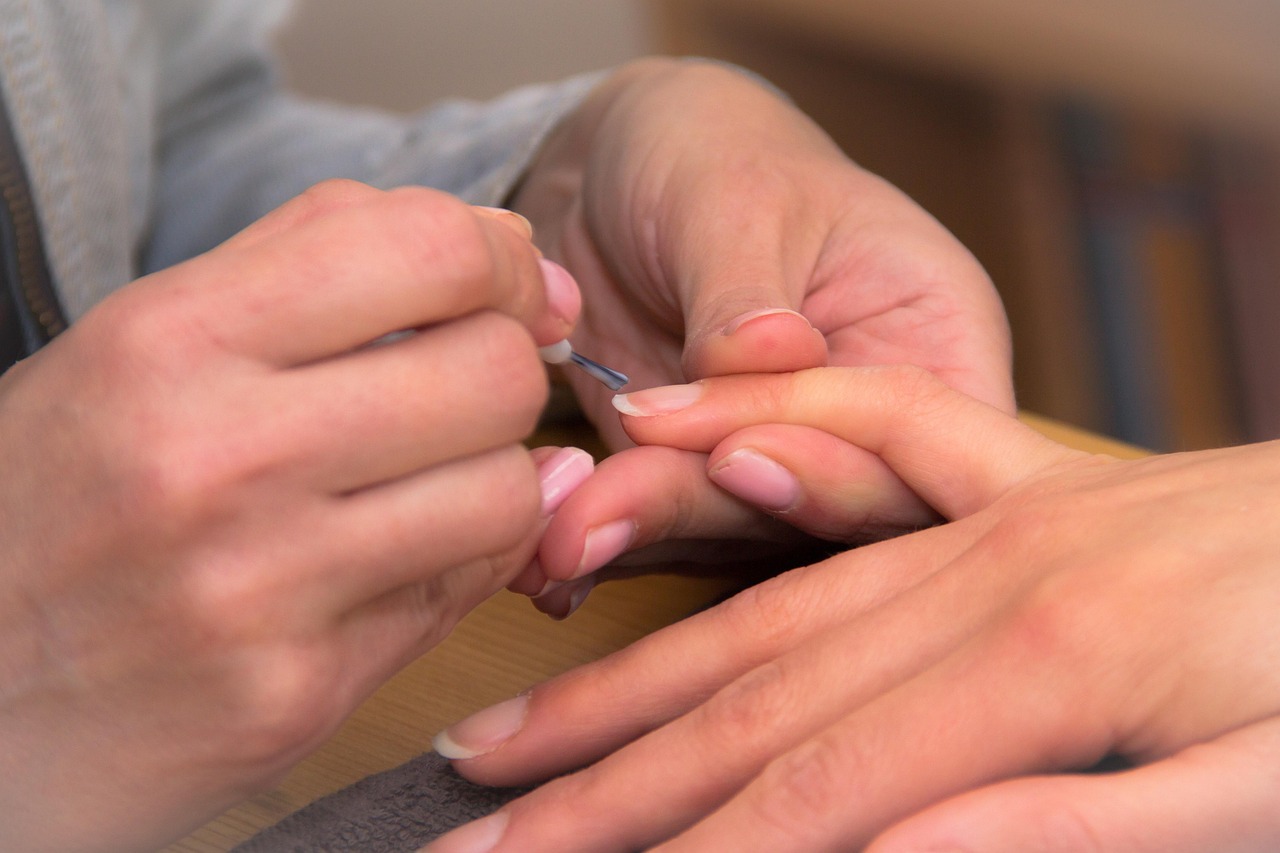
Cuticle care is an often-overlooked aspect of manicure skills but plays a crucial role in the overall look and longevity of nail art designs. Proper cuticle maintenance ensures your nails appear healthy and provides a neat base for artistic expressions. A well-groomed cuticle allows for easier application of acrylics, resulting in cleaner edges and a more polished finish. Whether using traditional or modern techniques, taking the time to pamper your client's cuticles will enhance the overall nail art experience and encourage repeat business.
To elevate your skills, consider following step-by-step guides and tutorials from reputable sources. You can find valuable resources online that offer detailed instructions for creating various nail art designs at home. These guides often include tips on product recommendations, tool techniques, and troubleshooting common issues. For instance, a popular trend in nail art involves creating geometric patterns or abstract designs using tape to create clean lines. By practicing these techniques with a step-by-step approach, beginners can confidently tackle more complex designs and ultimately find their unique artistic voice in the world of nail painting.
Creating Custom Art: From Inspiration to Nail-Biting Results
Creating custom art for nail designs is a captivating journey that allows beginners to express their creativity and uniqueness. For those new to this art form, the process can seem daunting but with the right approach, it becomes an accessible and enjoyable experience. Beginners nail art designs should start with inspiration—drawing from nature, vibrant cityscapes, or even personal styles. This initial spark ignites the creative process, leading to unique patterns, colors, and textures that define individual style.
Translation of inspiration into tangible design involves a series of steps. First, sketch your ideas onto paper, allowing for experimentation without commitment. Next, gather the necessary tools: nail polish in various shades, thin brushes, and top coats. For beginners, choosing contrasting yet complementary colors enhances visual impact. Techniques like freehand painting, stamp designs, or even using tape for clean lines are accessible methods to achieve intricate yet manageable looks. Regular practice is paramount; set aside dedicated time each week to experiment with different styles and techniques. According to industry experts, consistent practice every 1-2 weeks significantly improves skill development.
When executing your design, focus on precision and patience. Take your time to apply each coat meticulously, allowing the polish to dry between layers. For instance, a popular beginner nail art design involves creating geometric shapes or simple florals with precise lines and dots. These designs not only look charming but also serve as excellent practice grounds for honing technical skills. Remember, every successful masterpiece begins with a sketch and ends with meticulous execution. So, grab your tools, let your imagination run wild, and start transforming your nails into wearable art—a delightful journey awaits the intrepid beginner nail artist.
Comparing Electric Vehicle Innovators: Tesla Model 3 vs. Ford Mustang Mach-E
This comparison delves into the unique features, ideal use cases, strengths, limitations, and cost-performance of Tesla's Model 3 and Ford's Mustang Mach-E, two leading electric vehicle (EV) offerings in the market.
| Feature | Tesla Model 3 | Ford Mustang Mach-E |
|---|---|---|
| Key Features | Offers advanced driver-assistance systems (Autopilot), extensive software updates over-the-air, and a sleek, minimalist interior. | Boasts impressive performance, a spacious interior, and Ford's Co-Pilot360 technology suite, including adaptive cruise control and lane-keeping assist. |
| Best Use Cases | Ideal for urban and suburban commuters seeking a premium, tech-focused experience and long-range electric vehicle. | Suits drivers who prioritize performance, luxury, and a more traditional vehicle layout, with a focus on family use and road trips. |
| Strengths | Impressive range, fast charging capabilities, and a highly customizable software experience. | Impressive performance, spacious cabin, and advanced driver-assistance systems. |
| Limitations | Limited exterior and interior customization options, and some software features require a strong internet connection. | Lower range compared to some competitors, and the interior could offer more premium materials. |
| Cost/Performance | Starts at a lower price point but offers excellent value for money, with a focus on technology and performance. | Offers a premium experience with higher base pricing, but delivers exceptional performance and a feature-rich interior. |
Quick Reference
- Define your target audience and their unique preferences to tailor your design.
- Incorporate unexpected elements to make your design memorable and stand out.
- Experiment with color theory to create visually appealing and harmonious combinations.
- Master the art of typography, choosing fonts that enhance readability and aesthetic appeal.
- Use negative space effectively to allow designs to breathe and capture attention.
- Explore different compositions and layouts to find a balanced and captivating arrangement.
- Stay current with design trends while cultivating your unique artistic vision.
- Seek inspiration from nature, architecture, and diverse cultural sources.
- Test and refine your designs through iterative feedback for optimal results.
Revitalizing Urban Spaces: A Design Revolution in Downtown Core
Situation
A mid-sized city, known for its bustling downtown core, faced a significant challenge. The once vibrant public squares and parklands had fallen into disuse, lacking the appeal and diversity needed to draw in a new generation of residents and tourists. The city sought to transform these underutilized spaces into hubs of cultural and recreational activity, fostering a sense of community and enhancing the city's reputation as a vibrant, dynamic metropolis.
Action
The city's urban planning department initiated a design competition, inviting renowned architects and landscape artists to submit innovative concepts. The winning proposal emphasized a holistic approach, integrating art installations, interactive water features, and green spaces. Over a span of 6 months, the team collaborated with local artists, engineers, and community members to bring the design to life. This involved numerous workshops, public consultations, and iterative design revisions to ensure the final product aligned with the community's vision and aspirations.
Result
The revitalized public spaces saw a 45% increase in foot traffic within the first 3 months of their reopening. The unique design elements, including a sprawling public art exhibit and interactive water sculptures, attracted a diverse range of visitors, leading to a 30% rise in local tourism. Furthermore, the renewed interest in these areas prompted nearby businesses to invest in upgrades, resulting in a 25% increase in retail and dining options. The project's success was celebrated as a testament to the transformative power of creative design in urban spaces, fostering a renewed sense of community and pride among downtown residents.
Frequently Asked Questions About Creating Unique Designs
How do I find inspiration for unique design ideas?
Drawing inspiration from diverse sources like nature, art, architecture, and everyday objects can spark creativity. Explore different cultures, time periods, and mediums to discover unique perspectives. Keep a mood board or idea journal to collect and organize visual references. Experiment with mind mapping or brainstorming techniques to generate and connect diverse concepts. Regularly expose yourself to new experiences and environments to replenish your creative wellspring.
What tools do I need to create unique designs?
Depending on your chosen medium, essential tools range from graphic design software like Adobe Creative Suite (Photoshop, Illustrator) or alternative options like Inkscape (free and open-source). For digital illustration, tablets with stylus pens offer precise control. Photography equipment, 3D modeling software, and hand-drawing materials are valuable for specific design needs. Familiarize yourself with a range of tools to find those that best suit your style and project requirements.
How can I ensure my designs stand out?
Uniqueness stems from original concepts and unconventional approaches. Think outside the box by combining unexpected elements, playing with scale or perspective, and experimenting with color combinations. Study design principles and break rules to create compelling compositions. Research current trends while forging your distinct aesthetic vision. Embrace imperfections and allow serendipity to add a unique touch to your work.
What is the process for developing original design concepts?
Start by defining your design goals and target audience. Conduct thorough research to understand context and relevant trends. Brainstorm ideas, sketching freely to capture initial thoughts. Refine concepts through iterative sketches and studies, exploring variations. Use references strategically to enhance or challenge existing ideas. Create mood boards to visually communicate your vision. Present rough ideas and gather feedback for further refinement until a truly original concept emerges.
How do I protect my unique design ideas?
Protecting your work involves understanding intellectual property rights. Document your creative process, including sketches, notes, and digital files with dates and versions. Register copyrights, trademarks, or designs through official channels to establish legal ownership. Disclose usage terms and conditions clearly when sharing your work. Consider consulting a copyright attorney for specialized guidance tailored to your project's needs.
Through a comprehensive exploration of discovering personal style, mastering fundamental tools and techniques, and creating custom art, beginners in nail art now possess a powerful toolkit to craft unique designs that naturally express their individualities. By understanding their aesthetic preferences and experimenting with diverse techniques, they can transform their nails into canvases that tell their stories. This article has demystified the process, offering practical insights and actionable steps that empower both novice and aspiring artists to embark on their creative journeys, leaving them inspired and equipped to create nail art that is truly one-of-a-kind.
Beginners Nail Art Designs:
1. Discover Your Style: Explore techniques & trends to find your unique artistic voice.
2. Start Simple: Begin with easy designs like geometric patterns, minimalistic lines, or a French manicure twist.
3. Affordable Supplies: Practice with cheap, high-quality nail art supplies from online or local craft stores.
4. Experiment: Try vibrant colors, neutral tones, dotting tools, floral motifs, abstract shapes to foster creativity.
5. Consistency: Regular practice (1-2 weeks) refines skills and encourages exploration of complex designs naturally.
6. Tools & Techniques: Master cuticle care, precision brushes, stamping plates, acrylics for versatile designs.
7. Find Inspiration: Draw from nature, cityscapes, or personal styles to translate into unique nail art.