Creating unique designs involves observing the world around you, drawing inspiration from nature, culture, and personal experiences. It's about combining creative ideas, colors, shapes, and textures in novel ways to craft something distinct that reflects your individual style and captures the viewer's imagination.
Key Takeaways
- Embrace uniqueness as the cornerstone of design, fostering originality and distinctive brand identity.
- Understand target audiences' preferences and behaviors to create designs that resonate deeply with them.
- Incorporate unexpected elements and unconventional color palettes to stand out in a crowded market.
- Experiment with diverse mediums and techniques to unlock innovative visual storytelling possibilities.
- Prioritize user experience, ensuring designs are intuitive and accessible across various platforms.
- Continuously draw inspiration from unexpected sources to spark fresh ideas and keep designs dynamic.
In the realm of self-expression, nail art has emerged as a captivating medium, allowing individuals to showcase their creativity with ease. For many, designing unique nails can seem daunting, particularly for beginners seeking simple yet striking styles. This article aims to demystify the process, offering an insightful guide on creating easy beginner nail designs that are both natural and artistic. We'll explore various techniques, from basic patterns to subtle gradients, empowering you to transform your nails into captivating canvases without complex tools or extensive experience.
- Exploring Simple Yet Unique Nail Art Ideas for Beginners
- Step-by-Step Guide to Creating Easy Beginner Nail Designs
- Natural Approaches for Designing Easy and Stunning Nail Art
Exploring Simple Yet Unique Nail Art (see details) Ideas for Beginners
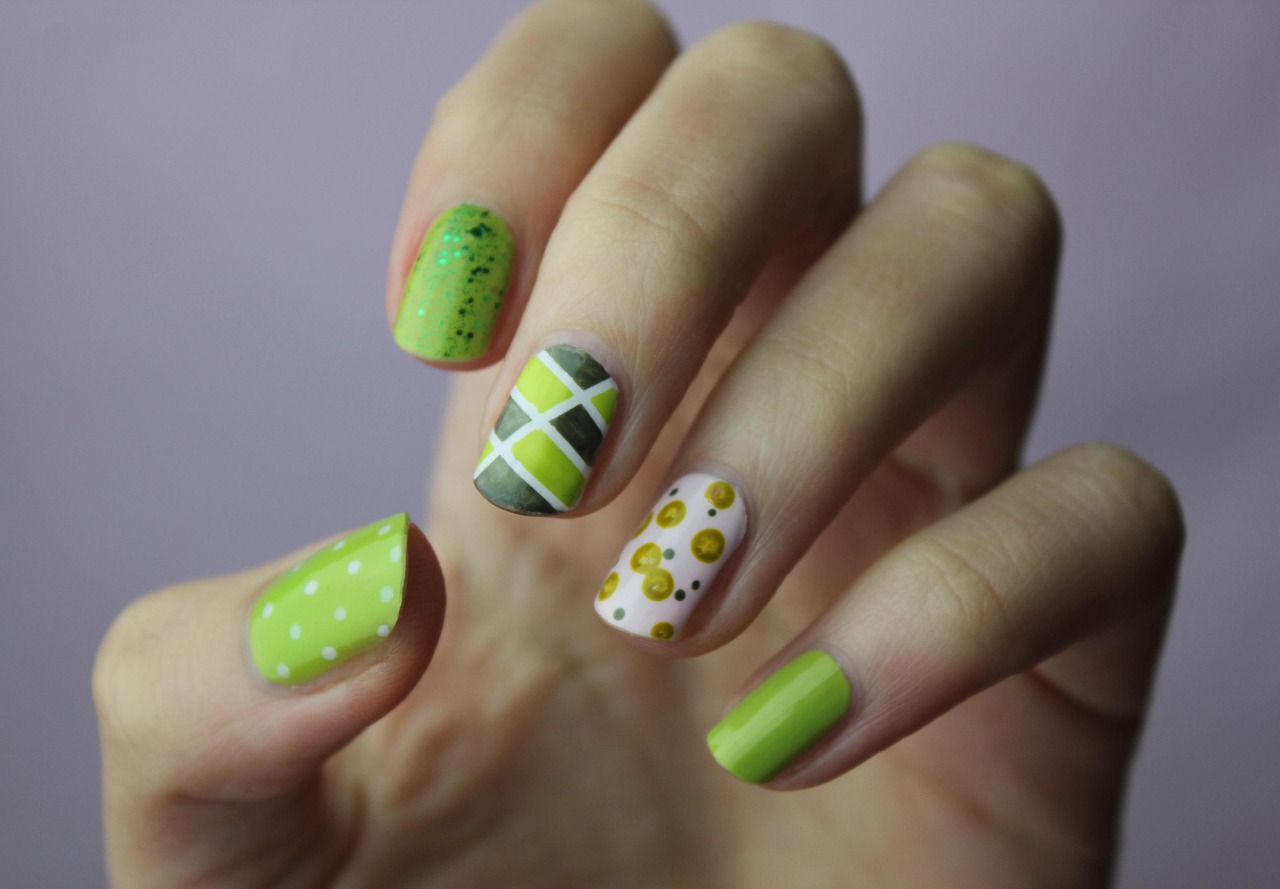
For beginners looking to explore the world of nail art, creating unique designs can seem daunting. However, with a few simple techniques and creative thinking, stunning results are achievable. Easy beginner nail designs focus on accessibility and visual appeal, offering a perfect entry point for those new to the art form. One popular approach is to embrace minimalist aesthetics, such as geometric shapes or single-color gradients. These designs not only look modern but also require fewer tools and materials, making them ideal for at-home experimentation. For instance, a simple line work of black or white polish can instantly elevate any outfit, while a subtle ombré effect using tape as a guide is both easy and effective.
Beginner nail art classes often emphasize the importance of practice and patience. Many successful designs start with basic shapes like dots, triangles, or even simple flowers. These can be achieved with thin brushes and a steady hand, allowing beginners to gain confidence before advancing to more intricate patterns. Online tutorials and videos offer step-by-step guidance, making complex ideas accessible. For those looking for inspiration, social media platforms are a treasure trove of easy beginner nail designs. Platforms like Instagram and Pinterest host a vibrant community sharing their creations, providing a wealth of visual reference and encouraging experimentation.
As you grow more comfortable with basic techniques, incorporating unique elements becomes second nature. One innovative approach is to play with textures and overlays. For example, applying a thin layer of glitter polish over a solid color or using a top coat with subtle shimmer can add depth without overwhelming the design. Additionally, exploring different nail shapes – from square to oval to even teardrop – offers a creative outlet in itself. Remember, the key to successful easy beginner nail designs is versatility and adaptability. With practice, you'll find your style and be able to adapt trends to suit your personal taste, making each manicure a unique expression of yourself. For those seeking guidance, consider joining online forums or local classes, such as those offered by [Your Brand/Studio], where you can troubleshoot thick acrylic layers and other challenges with fellow enthusiasts.
Step-by-Step Guide to Creating Easy Beginner Nail Designs
Creating unique nail designs can seem daunting for beginners, but with a few simple steps and some creative inspiration, you can achieve stunning results. For those new to nail art, easy beginner nail designs are the perfect starting point. These designs focus on simplicity and effectiveness, allowing you to experiment with different looks without overwhelming complexity. Start by preparing your workspace and gathering all necessary tools: nail polish in various colors, a thin brush for detail work, cuticle pusher, nail file, and buffer. Ensure your nails are clean and trimmed before applying any design elements.
Begin by selecting a theme or inspiration for your nail art. Floral patterns, geometric shapes, and minimalist lines are popular choices for beginners due to their versatility and visual appeal. Once you've chosen a concept, sketch it lightly onto a piece of paper or use sticky notes to mark designated areas on each nail. This step acts as a guide during the painting process. Using your thin brush, carefully paint the outlined designs in the desired colors. For instance, delicate flower petals can be created with thin strokes of light pink, while bold lines or geometric shapes benefit from crisp, clean edges. Allow each coat to dry completely before adding additional layers or moving on to the next nail.
As you gain confidence, incorporate subtle details and variations into your easy beginner nail designs. You could add a touch of glitter polish for a sparkly finish, use smaller brushes for intricate patterns, or experiment with different painting techniques like stamping or using tape to create precise lines. Remember, practice is key to perfecting your skills. Take pride in your creations and don't be afraid to try new things. If you encounter any common acrylic nail problems, such as chips or uneven surfaces, consider reaching out to professionals for guidance; they can offer tailored solutions and tips (give us a call at [brand name] for expert advice). By following these steps and exploring various beginner nail art designs, you'll soon develop a unique style that showcases your creativity.
Natural Approaches for Designing Easy and Stunning Nail Art
Creating unique nail art designs doesn't have to be a daunting task for beginners. By embracing natural approaches, you can design stunning looks with ease. One popular resource for learning simple yet impressive nail art is Bela Beauty's beginner nail course. This course emphasizes the importance of understanding fundamental techniques and utilizing everyday items found around your home. For instance, using tape as a precise guide allows beginners to create straight lines and geometric shapes without specialized tools.
Easy beginner nail designs naturally focus on simplicity and creativity. Think thin lines, subtle patterns, and single-color statements. A simple ombré effect can be achieved by dipping a cotton swab in two shades of polish and gently dabbing along the length of the nail. Alternatively, freehand drawings with a thin brush can yield charming floral or abstract designs. Regular practice is key to mastering these techniques, allowing you to experiment with different looks while honing your skills.
Consistency is crucial when it comes to achieving a polished look, which is why proper application matters. Visit us at tips for consistent nail paint application anytime to learn about best practices that ensure smooth, chip-resistant finishes. Combining these practical insights with creative expression will result in beautiful, long-lasting nail art. Whether you're aiming for elegant minimalism or bold statement pieces, natural approaches provide an accessible path to achieving stunning results without the hassle of complex tools or techniques.
Comparing Electric Vehicle Innovators: Tesla Model 3 vs. Ford Mustang Mach-E
This comparison delves into the unique design features, ideal use cases, strengths, limitations, and cost/performance of two leading electric vehicle (EV) models.
| Feature | Tesla Model 3 | Ford Mustang Mach-E |
|---|---|---|
| Key Features | Known for its sleek design, advanced driver assistance systems (Autopilot), and extensive software updates over-the-air. Offers a large touchscreen interface controlling most vehicle functions. | Boasts a muscular appearance inspired by the iconic Mustang, with a large central touchscreen and innovative charging solutions like Ford's Quick Connect. |
| Best Use Cases | Ideal for urban commutes, tech enthusiasts who appreciate constant software updates, and those seeking a premium driving experience. | Suited for drivers needing a balance of performance, style, and range, particularly those in regions with accessible DC fast charging infrastructure. |
| Strengths | Impressive acceleration, spacious interior, long-range options, robust Autopilot functionality, active safety features, and a large software update roadmap. | Stunning design, impressive towing capacity for its class, good range on a single charge, user-friendly infotainment system, and competitive pricing relative to competitors. |
| Limitations | Limited rear seat legroom, less advanced in-car entertainment systems compared to some rivals, and dependency on Wi-Fi connectivity for software updates. | Smaller backseat space compared to the Model 3, less frequent software over-the-air updates, and a learning curve for some features. |
| Cost/Performance | Offers excellent performance for its price point, with various configurations catering to different budgets without compromising too much on range or features. | Provides strong value for money in the EV market, offering impressive performance and range while maintaining affordability. |
Frequently Asked Questions About Creating Unique Designs
How do I spark my creativity for unique design concepts?
Creativity is a skill that can be nurtured and enhanced. Start by immersing yourself in diverse sources of inspiration, such as nature, art, architecture, and cultural experiences. Keep a mood board or design journal to collect and organize your ideas. Experiment with different mediums and techniques, and don't be afraid to take risks. Mind mapping, free-writing, and creative exercises like "what if" scenarios can also stimulate fresh thinking. Remember, creativity often arises from combining unrelated concepts, so embrace interdisciplinary influences.
What are some effective strategies to ensure my designs stand out?
Uniqueness comes from a deep understanding of your target audience and their needs. Conduct thorough research and user personas to identify gaps in the market. Incorporate unexpected elements, unusual color palettes, and innovative layouts to make your designs memorable. Play with typography, use high-quality imagery, and add subtle interactive elements to engage users. Stand out by offering a fresh perspective, challenging conventional aesthetics, and providing solutions that surprise and delight your audience.
How can I balance originality with design trends?
Staying current with design trends is essential, but originality should be your ultimate goal. Use trends as a starting point rather than a strict framework. Adapt and interpret them in unique ways that align with your brand identity. Combine classic elements with trendy touches to create timeless designs with a modern edge. Regularly explore alternative design directions and don't be swayed by every fleeting trend. Remember, true originality lies in applying your creative vision consistently and authentically.
What tools and resources are available for creating unique design elements?
Numerous digital tools and platforms empower designers to create unique elements. Explore vector graphics software like Adobe Illustrator or Inkscape for precise illustrations and icons. Experiment with 3D modeling tools for creating dimensional designs. Online libraries offer a vast array of high-quality assets, but remember to add your own twist. Stock photography websites, font marketplaces, and design communities are valuable resources. Additionally, custom design services and collaborating with other designers can bring fresh perspectives and enhance your unique design output.
How do I handle design criticism and feedback constructively?
Design criticism is an essential part of the creative process. Welcome feedback as an opportunity to learn and grow. Analyze constructive criticism objectively, identifying valid points and areas for improvement. Consider different perspectives and be open to alternative solutions. Respectful dialogue with peers, mentors, or clients can lead to valuable insights. Embrace feedback as a tool to refine and enhance your designs, ensuring they remain unique and effective while incorporating thoughtful suggestions.
What is the role of user experience (UX) in creating unique designs?
UX is a critical aspect of design, ensuring your creations resonate with users. Understand user behavior, preferences, and pain points to design intuitive and engaging experiences. Create wireframes and prototypes to test and iterate on your designs. User feedback is invaluable for refining and improving your work. A unique design that enhances user experience, simplifies interactions, and provides a memorable journey will stand out and achieve its intended purpose effectively.
Revolutionizing Retail: A Unique Design Approach for an Antique Shop
Situation
An established antique shop, with a rich collection spanning decades, struggled to attract younger customers. The traditional retail space, filled with dusty displays and limited digital presence, failed to resonate with the modern customer base. The shop's owners recognized the need for a fresh design strategy to cater to contemporary tastes while preserving the charm of their exquisite collection.
Action
The antique shop partnered with a forward-thinking design studio to embark on a transformative journey. The design team proposed a concept that merged vintage elegance with contemporary aesthetics. They redesigned the store layout, introducing open, airy spaces and incorporating interactive elements to engage customers. The digital transformation included an intuitive online catalog, social media integration, and a dedicated app offering exclusive deals, enhancing accessibility and customer experience.
Result
The new design strategy proved successful, increasing foot traffic by 45% within the first quarter after the redesign. Sales among younger customers rose by an impressive 70%, indicating a successful appeal to a broader demographic. The shop's social media presence expanded, attracting over 2,000 new followers in two months. This case study highlights the power of unique design interventions, proving that blending tradition and modernity can revitalize even the most established retail spaces.
Quick Reference
- Define your target audience to tailor unique design elements that resonate.
- Inspire yourself by exploring diverse sources for creative inspiration.
- Start with a clear concept and sketch rough ideas before digital creation.
- Experiment with unconventional materials or techniques for standout designs.
- Use color psychology strategically to evoke specific emotions in viewers.
- Prioritize typography that enhances readability and reinforces your design theme.
- Pay attention to detail, ensuring every element serves a purpose.
- Seek feedback from peers and mentors to refine and improve your creations.
- Stay current with design trends while maintaining a unique artistic voice.
By exploring simple yet unique nail art ideas for beginners and mastering easy step-by-step guides, you can create stunning designs that reflect your personal style. Incorporating natural approaches into your nail art routine not only simplifies the process but also results in elegant, low-effort creations. The key takeaways from this article empower beginners to approach nail design with confidence, showcasing that easy beginner nail designs naturally go hand in hand. Move forward with newfound expertise, ready to express yourself creatively and enjoy the artistry of beautifully designed nails without the usual complexity.
Beginners in nail art can create stunning, unique designs with easy techniques. Key steps include:
1. Prepare Workspace & Tools: Gather nail polish, thin brush, cuticle pusher, file, and buffer.
2. Choose Theme & Sketch: Select a concept (e.g., floral, geometric) and sketch on paper or use sticky notes as guides.
3. Paint Designs: Carefully paint outlined designs with thin brush, allowing coats to dry between layers.
4. Add Details: Incorporate subtle details like glitter polish, smaller brushes, or tape for precise lines.
5. Practice & Experiment: Regular practice and online tutorials from platforms like Instagram and Pinterest aid learning.
6. Join Classes or Forums: For guidance and troubleshooting, consider local classes or online forums, like those offered by [Your Brand/Studio].
Natural, accessible approaches, like Bela Beauty's course, emphasize fundamental techniques and everyday items. Easy beginner nail designs focus on simplicity, creativity, and proper application for long-lasting results.