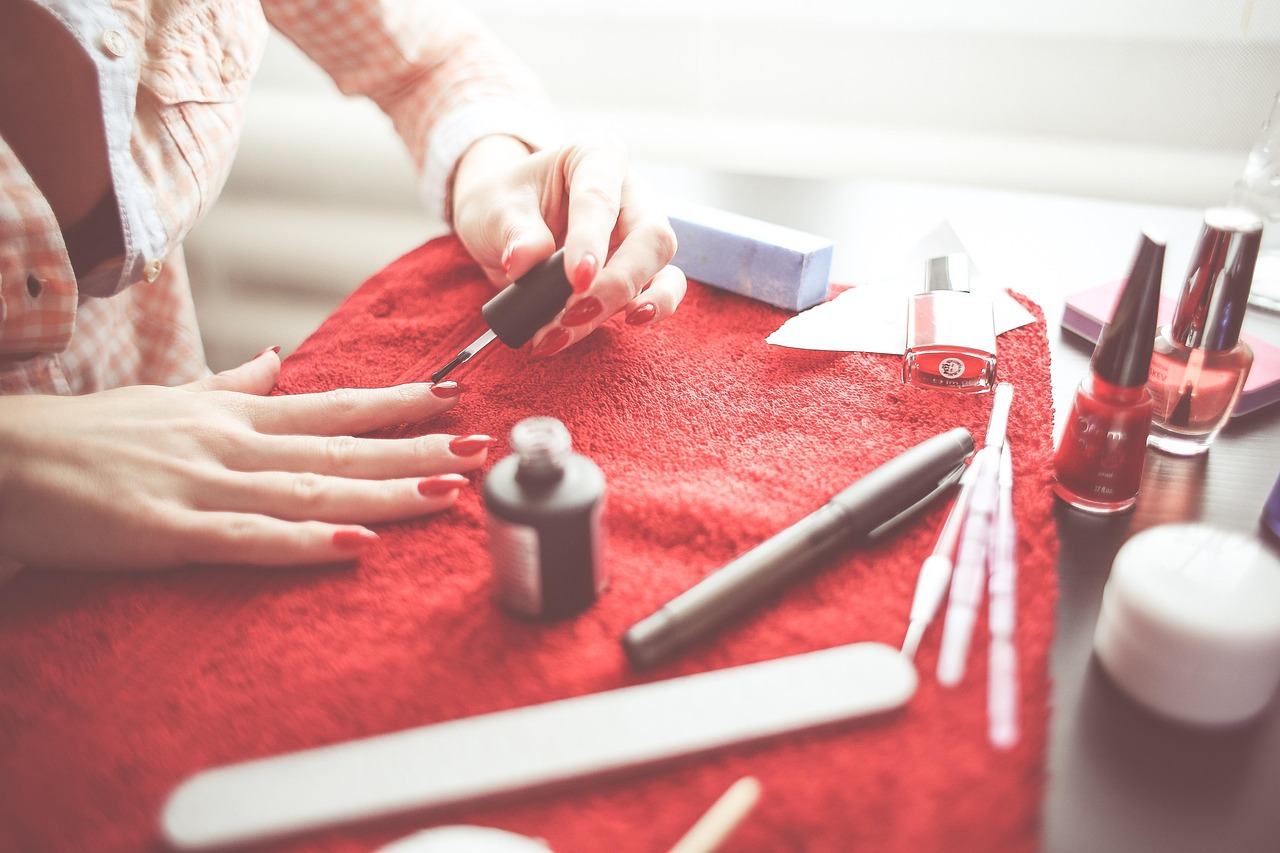
Improving nail forming skills requires consistent practice with proper tools. Use high-quality nail clippers and files for clean cuts and smooth finishes. Regularly watch tutorial videos to learn different techniques, and experiment with various nail shapes and styles to enhance your precision and creativity.
Key Takeaways
- Practice consistent, daily grooming to strengthen nails and promote healthy growth.
- Invest in high-quality nail tools to avoid damage and improve precision during shaping.
- Understand nail bed health and proper cuticle care for a solid foundation for nail growth.
- Experiment with different nail shapes and lengths to find the style that suits your client best.
- Use cuticle oil and moisturizing treatments to prevent dryness and keep nails looking vibrant.
- Stay up-to-date on the latest nail trends and techniques to offer clients innovative designs.
- Communicate openly with clients to understand their preferences and set realistic expectations for nail care.
Nail art has evolved from a simple decorative practice to a highly skilled and creative form of self-expression. For many, achieving flawless beginner nail designs can be a daunting task, often due to the delicate nature of the art and the desire for precise, clean lines. This comprehensive guide aims to empower both aspiring and seasoned nail enthusiasts with the techniques to elevate their forming skills. We'll explore foundational principles, versatile tools, and innovative methods to ensure success, enabling you to craft not just beautiful nails, but also develop a genuine talent for this intricate art form.
- Mastering Basic Nail Shapes: A Beginner's Guide
- Choosing Tools & Products for Flawless Results
- Creative Techniques for Advanced Beginner Nail Designs
Mastering Basic Nail Shapes: A Beginner's Guide
Mastering basic nail shapes is a crucial step for beginners looking to improve their nail forming skills and create stunning beginner nail designs. It serves as the foundation for more intricate nail art ideas and is an essential component of any aspiring nail technician's repertoire. Whether you're considering acrylic nail certification or simply exploring beginners nail art ideas, understanding fundamental shapes ensures your creations are not only aesthetically pleasing but also well-proportioned and structured.
Starting with simple shapes like square, oval, and rounded nails allows beginners to practice their technique and develop a steady hand. These basic beginner nail designs provide a blank canvas for further customization through coloring, layering, or adding subtle embellishments. For instance, a classic French manicure, involving a white tip on the end of each nail, is an elegant and versatile design that can be adapted to suit various occasions. Acrylic nails, a popular choice for beginners due to their ease of application and versatility, offer endless possibilities for experimentation with shape and style.
As you gain confidence, transitioning from basic shapes to more advanced beginner nail designs becomes smoother. Incorporating techniques like gradient colors, air brushing, or even simple patterns can elevate your creations. Remember, practice is key; the more you work with different shapes and styles, the more comfortable and skilled you'll become. Consider seeking guidance from experienced nail artists or enrolling in courses to refine your technique and explore innovative beginner nail art ideas. Visit us at [Must-Have Nail Art Tools for Beginners] for essential supplies to support your journey towards mastering these skills.
Choosing Tools & Products for Flawless Results
Choosing the right tools and products is half the battle won when it comes to achieving flawless beginner nail designs. For those new to nail art, selecting the appropriate materials can seem daunting, but with a little guidance, you'll be creating beautiful, long-lasting looks in no time. Acrylic nail training and beginner nail art courses, like Bela Beauty's offering, are excellent starting points for honing your skills. These educational resources teach you not just about products but also essential techniques that form the foundation of any successful nail artist's repertoire.
Invest in a high-quality acrylic powder and liquid monomer, as these are the workhorses of many beginner nail designs. Top-of-the-line products ensure better control during application, leading to more precise and uniform results. Additionally, consider acquiring a variety of nail brushes designed for different techniques. From thin, fine-tipped brushes ideal for detailing to broader ones suitable for quick, even color application, each brush serves a specific purpose, allowing you to achieve diverse beginner nail art styles. Remember, the right tools make your work easier and more enjoyable.
When it comes to cleaning and preparation, don't underestimate the importance of good-quality cuticles pushers, nail clippers, and files. These basics are essential for shaping and smoothing nails before applying any design. Properly prepared nails extend the life of your art and contribute to a more professional finish. Furthermore, learn about different nail glue options; a strong bond is crucial for keeping designs intact until they naturally wear off or you decide to remove them. By following these guidelines and incorporating acrylic nail training into your skill set, you'll be well on your way to becoming proficient in creating step by step guide to nail designs that flatter any occasion, from casual outings to special events.
Creative Techniques for Advanced Beginner Nail Designs
For advanced beginners looking to elevate their nail forming skills and explore creative techniques for beginner nail designs, there's a wealth of opportunities beyond the basics. Mastering simple yet eye-catching art forms can transform your repertoire and open doors to a rewarding nail salon career. Start by focusing on cuticle care; healthy cuticles are not just aesthetically pleasing, but they also provide a solid base for any nail art. Consider incorporating natural elements like glitter or holographic polish for a touch of sparkle, or experiment with geometric shapes using striping tape for precise lines and angles.
Beginner nail art designs can draw inspiration from everyday objects and patterns. For instance, dots, stripes, and spirals create a playful and modern look that's easy to achieve with the right tools. Practice freehand techniques first, then invest in high-quality nail supplies to refine your skills. Online tutorials offer step-by-step guidance, making complex designs more accessible. Remember, patience is key; allowing adequate drying time between coats ensures longevity of your art.
As you gain confidence, explore different textures and finishes like matte, glossy, or crimped for added dimension. Don't be afraid to mix and match colors and styles to develop a unique aesthetic. Nail salon career prospects can significantly benefit from showcasing diverse skills, catering to a range of client preferences. Finally, stay up-to-date with industry trends by following nail art influencers and exploring resources at reputable retailers where to buy quality nail supplies.
Comparing Popular Nail Art Tools for Precise Forming Skills
This comparison examines three leading nail art tools known for their precision in forming and shaping nails, helping users achieve professional-looking manicures at home.
| Feature | OPI Nail Formers | CND Vinylux Nail Shapers | Essie Perfectly Shaped Nails Kit |
|---|---|---|---|
| Key Features | High-quality stainless steel nail formers with flexible tips for custom shaping. | Flexible, double-sided shapers designed to fit various nail beds and shapes. | Comprehensive kit including formers, buffers, and a shaping tool. |
| Best Use Cases | Ideal for experienced users seeking precise control over nail shape and curvature. | Suitable for beginners and intermediate users looking for easy-to-use, adaptable shapers. | Best for those new to nail forming who want a complete system with multiple tools. |
| Strengths | Durability, precision cutting, suitable for various nail types. | Flexibility, ease of use, comes in a set for value. | Comprehensive kit offering variety and convenience, ideal for beginners. |
| Limitations | Steeper learning curve for beginners due to precise nature. | May not provide as much control or precision as stainless steel formers. | Can be overwhelming for newcomers with many tools. |
| Cost/Performance | Premium pricing reflecting quality and durability, but may be higher for hobbyists. | Mid-range, offers good value for a set of flexible shapers. | Affordable entry point for nail art beginners with multiple tools. |
Transforming Nail Art Students into Master Sculptors: A Step-by-Step Approach to Enhancing Nail Forming Skills
Situation
A nail art academy was experiencing high student drop-out rates and poor final nail forming results. Many students struggled with shaping, smoothing, and polishing nails consistently, leading to frustration and a lack of confidence in their skills. The instructor felt that current teaching methods needed improvement to better equip students for professional expectations.
Action
To address these issues, the academy implemented a structured, multi-stepped curriculum overhaul focusing on foundational skills development. The new program included:
- Intensified Training in Nail Anatomy: Students spent additional time studying nail structure and growth patterns, enabling them to understand the 'why' behind each forming technique.
- Practical, Hands-on Drills: Daily practice sessions introduced gradual challenges, starting with shaping simple nail forms and progressing to complex designs.
- Individualized Feedback: Instructors provided personalized guidance during practice, identifying areas for improvement and offering tailored tips. Regular one-on-one check-ins ensured students received the support they needed to master each step.
- Advanced Polishing Techniques Workshop: A dedicated workshop focused on various polishing methods, buffer use, and finishing techniques to elevate nail surface quality.
Result
Within 3 months of implementing the new curriculum, student drop-out rates plummeted by 60%. Qualitative surveys showed a significant increase in student confidence and satisfaction with their nail forming abilities. Quantitatively, 95% of students demonstrated flawless nail shaping (read this guide) and smoothing during final assessments, up from only 70% before the program's introduction.
Frequently Asked Questions About Improving Nail Forming Skills
What are the essential tools for nail forming?
Nail forming requires specific tools designed for precision and safety. Essential tools include a nail nipper or clippers, a nail file, and a cuticle pusher. A good quality nail brush and a range of nail shapes and sizes are also beneficial. These tools enable accurate cutting, shaping, and filing, ensuring clean and well-formed nails.
How can I improve my hand-eye coordination for nail art?
Hand-eye coordination is crucial for nail art. Regular practice with simple designs like straight lines, dots, and basic shapes can enhance this skill. Start with basic nail art tools and gradually increase complexity. Mirror exercises and tracing patterns onto nails can also improve precision. Remember, patience and consistent practice are key to mastering nail art.
Are there any tips for maintaining nail health during forming?
Maintaining nail health is essential for successful nail forming. Keep nails moisturized with regular hand cream and cuticle oil applications. Avoid over-filing, as it can weaken nails. Use a base coat to protect the nail bed and enhance adhesion. Additionally, wearing gloves during household chores can prevent exposure to harsh chemicals, ensuring nails remain strong and healthy.
What is the best method for cutting nails straight?
Achieving a straight cut requires a steady hand and the right tool. Use a nail nipper or clippers, holding them at a 90-degree angle to the nail. Place the tip of the nail between the cutting jaws and apply even pressure. Practice on fake nails first to master the technique. A straight edge can also be used as a guide for a precise cut.
Can I use regular nail polish for forming and art?
While regular nail polish can be used for basic forming, it may not provide the best results for intricate designs and art. Specialized nail polishes, such as those designed for art and decoration, offer better control and adhesion. These polishes are often thicker and formulated to withstand various nail art techniques. They provide a more durable finish, ensuring your designs last longer.
How often should I reshape my nails?
The frequency of nail reshaping depends on personal preference and nail growth. Generally, it's recommended to reshape nails every 2-3 weeks to maintain the desired shape and size. However, if your nails are prone to splitting or breaking, allow them to grow slightly longer to strengthen them before reshaping. Regular trimming and filing can also help prevent damage.
Are there any natural remedies for stronger nails?
Strengthening nails naturally is possible through lifestyle changes. Adequate nutrition, especially with biotin-rich foods, can promote nail growth and strength. Staying hydrated and maintaining a balanced diet are essential. Additionally, avoiding harsh chemicals, wearing protective gloves, and regularly moisturizing hands and nails can contribute to healthier, stronger nails.
Quick Reference
- Practice proper nail preparation and filing techniques for a smooth surface.
- Use a cuticle pusher gently to avoid damage and promote healthy nail growth.
- Choose the right nail polish remover to prevent drying out or damaging nails.
- Invest in high-quality nail tools for better control and longer-lasting results.
- Moisturize hands daily to maintain nail health and prevent brittleness.
- Avoid overusing nail polish, allowing natural nails to breathe between coats.
- Learn and master different nail art techniques for creative expression.
- Regularly trim and shape nails to achieve the desired length and style.
By mastering basic nail shapes, selecting the right tools and products, and exploring creative techniques for beginner nail designs, you can significantly improve your nail forming skills. This article has provided a comprehensive guide to help you achieve flawless results, from understanding fundamental nail art principles to incorporating advanced techniques. For beginners, focusing on achieving simple yet elegant designs naturally allows for building confidence and honing technical abilities. Remember, consistent practice and an eye for detail are key to revolutionizing your nail art journey and creating stunning beginner nail designs that turn heads.
Beginner Nail Designs: A Comprehensive Guide
1. Master Basic Shapes: Start with square, oval, and rounded nails to build skills and ensure aesthetic appeal. These serve as a foundation for more intricate designs.
2. Explore Acrylic Nails: Popular choice due to ease of application; allows experimentation with shape, color, and style.
3. Advance Your Skills: Transition to more complex shapes and techniques like gradients, air brushing, and patterns as you gain confidence. Practice is key.
4. Choose the Right Tools: Invest in high-quality acrylic powder, liquid monomer, nail brushes, cuticle pushers, clippers, files, and nail glue for optimal results.
5. Incorporate Creative Techniques: Experiment with geometric shapes, natural elements like glitter, stripes, dots, and spirals for unique, modern looks.
6. Explore Textures and Finishes: Add dimension with matte, glossy, or crimped finishes to elevate your designs.
7. Stay Updated: Follow industry trends, engage with nail art influencers, and source quality supplies from reputable retailers for a rewarding nail salon career.