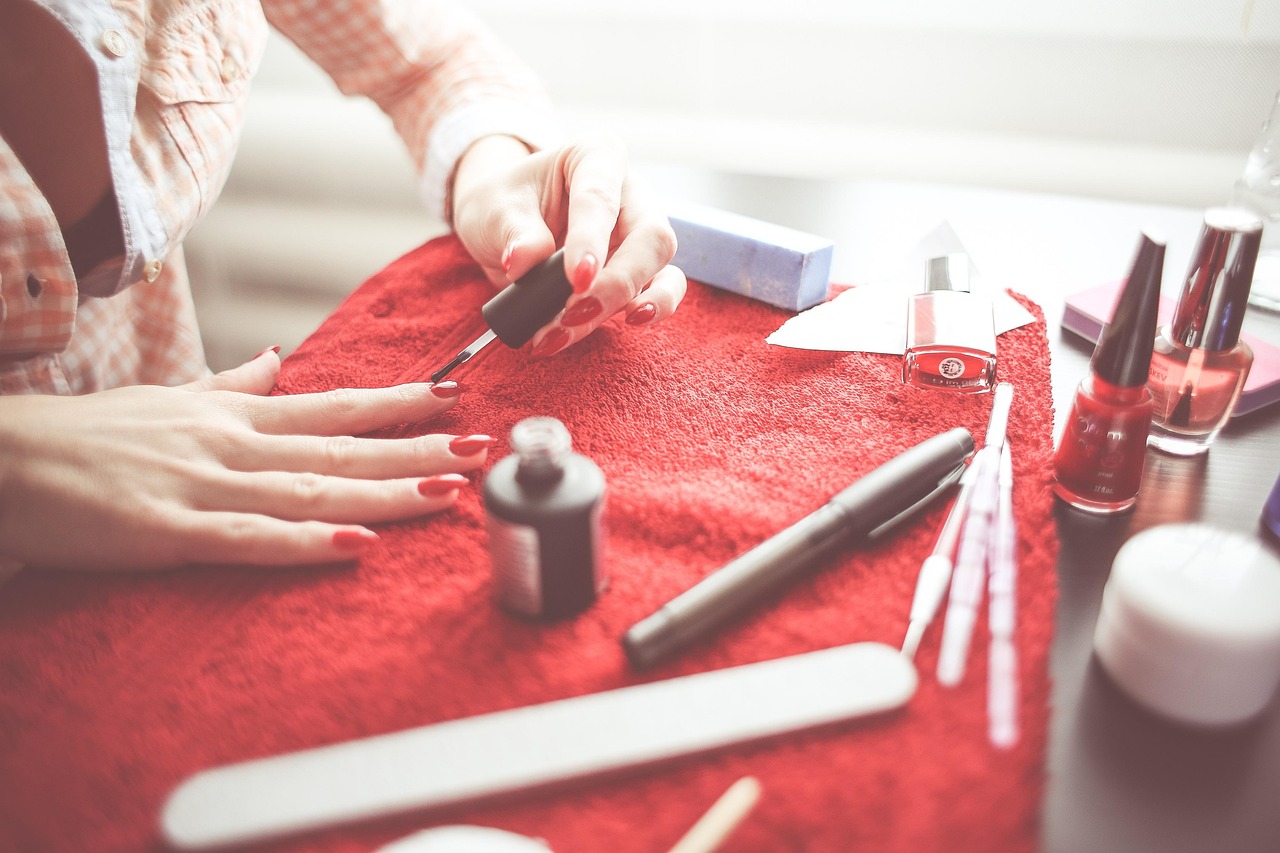
To improve nail forming skills, practice regularly with a variety of nail shapes and sizes. Use high-quality tools and products for better control. Study different nail art techniques online or through tutorials, and experiment with designs to enhance your precision and creativity. Regular practice and learning from resources will significantly improve your nail art skills.
Key Takeaways
- Practice regular nail care to promote healthy growth and prevent breakage.
- Invest in high-quality tools and products designed for optimal nail forming.
- Master proper technique by seeking guidance from experienced professionals or tutorials.
- Understand individual nail types and their unique requirements for shaping and strengthening.
- Incorporate cuticle oil and moisturizing routines to nourish and protect vulnerable nail beds.
- Experiment with different nail shapes and designs, but avoid excessive trimming to prevent damage.
Mastering nail art is a skill that not only enhances personal aesthetics but also fosters creativity and self-expression. For beginners, navigating the world of nail art can be daunting, with seemingly endless techniques and designs to master. However, with the right guidance, anyone can learn to create beautiful and intricate manicures, even without prior experience. This article offers a comprehensive exploration of improving nail forming skills, focusing on strategies for beginners to nail art naturally, ensuring a solid foundation for artistic exploration and growth.
- Choosing the Right Tools for Beginners Nail Art Naturally
- Mastering Basic Techniques to Improve Nail Forming Skills
- Advanced Tips and Trends for Stunning, Long-Lasting Manicures
Choosing the Right Tools for Beginners Nail Art Naturally
For beginners in nail art naturally, choosing the right tools is a crucial first step. It's essential to invest in high-quality, user-friendly products that align with your skill level. While the world of nail art can be overwhelming, focusing on essential tools will make the learning process smoother. Consider starting with a basic set that includes a good quality nail file, buffer, cuticle pusher, and a selection of nail polish brushes. Look for tools with comfortable grips and sharp, well-defined edges for precise work.
A popular choice for beginners is acrylic nail certification, which provides a solid foundation in nail art techniques. These courses often include guidance on choosing the right tools, allowing you to purchase equipment suited to your needs and budget. For instance, a set of acrylic nail tips and glue, along with a range of colors, can be a great starting point. Easy beginner nail designs, such as French tips or simple color gradients, are perfect for practicing and honing your skills.
When selecting nail polish brushes, opt for those designed for beginners. Look for brushes with medium-length, rounded tips, which offer greater control. Practice using these brushes to create different shapes and lines. A useful tip is to clean your brushes between uses to ensure the best results. If you're unsure where to start, consider taking a step-by-step guide on how to paint nails at home, tailored to beginners. This can be a valuable resource to build your confidence.
Remember, the key to improving your nail forming skills is consistent practice and the right tools. As you gain experience, you can expand your collection, exploring more advanced tools and techniques. Give us a call at [your brand/NAP] for personalized advice on tools and designs, tailored to your needs and skill level.
Mastering Basic Techniques to Improve Nail Forming Skills
Mastering basic techniques is a fundamental step for beginners nail art enthusiasts aiming to improve their manicure skills. This involves understanding the proper application of acrylic nails, which serves as both an art and a science. To start, beginners should focus on mastering the 'cuticle push' technique, ensuring clean, well-defined cuticles for a polished look. Next, learning to apply acrylic powder and liquid accurately is crucial; this requires practice to achieve a seamless fusion, creating a strong foundation for any nail art design.
Basic techniques also encompass shaping nails to suit individual preferences and face shapes. A gentle arc or a more dramatic point can be achieved with proper tool use, allowing beginners to experiment with different styles. Additionally, understanding the process of buffering and polishing is essential; this step refines the final look, adding shine and longevity to the manicure. Many online resources, including video tutorials, offer guidance on these fundamental aspects of acrylic nail training, catering to both visual and hands-on learners.
For beginners seeking inspiration, exploring beginner nail art designs can unlock a world of creativity. Simple geometric patterns, minimal line work, or pastel hues are excellent starting points. These designs not only showcase the beauty of nails but also allow artists to refine their techniques without overwhelming complexity. Remember, practice is key; regular acrylic nail training sessions will enhance your dexterity and control, enabling you to transition from basic to intricate designs with time. For personalized guidance, consider visiting us at [Brand/Website], where you can access comprehensive resources and learn professional nail techniques at home anytime.
Advanced Tips and Trends for Stunning, Long-Lasting Manicures
For beginners in nail art, achieving stunning, long-lasting manicures can seem like an daunting task. However, with dedicated practice and a few advanced tips, anyone can master the art of nail forming. Cuticle care is a fundamental aspect often overlooked; keeping cuticles healthy and well-nourished not only enhances the appearance of nails but also serves as a base for any nail art. Regularly moisturize and push back cuticles gently, avoiding harsh cuts to prevent damage.
One of the key trends in beginners nail art naturally is embracing negative space and minimalist designs. These styles not only look modern but are easier to maintain. Simple geometric shapes, like triangles, lines, and dots, can create captivating looks without overwhelming your nails. Experimenting with different polishes and finishes, from glossy to matte, can add depth and dimension to your designs. Remember, less is often more, especially for beginners.
To elevate your skills, consider exploring unique nail art techniques like ombré, gradient, or even marbling. These methods can be learned through online certification for nail tech beginners, offering structured guidance for those looking to deepen their knowledge. For instance, ombré manicures create a gradual color transition, while marbling mimics the look of marbleized stone. With practice, these techniques can become second nature, enabling you to craft intricate and unique designs.
Nail art isn’t just about aesthetics; it’s a form of self-expression. Incorporating beginners nail art ideas inspired by nature, pop culture, or personal interests can make each manicure truly one-of-a-kind. From floral motifs to abstract art, the possibilities are endless. Keep a collection of inspiration images and experiment with different tools and techniques to refine your skills. By combining cuticle care, simple designs, and creative flair, beginners can achieve professional-looking manicures that turn heads.
Comparing Top Nail Art Tools for Skilled Artists
We explore the features, use cases, strengths, limitations, and pricing of popular nail art tools to help skilled artists make informed decisions.
| Feature | OPI Nail Art Brushes | Essie Pro Classic Nail Brush | CND Vinylux Paint & Primer Set |
|---|---|---|---|
| Key Features | High-quality synthetic bristles designed for detailed nail art; comes with a range of shapes and sizes | Natural, flexible bristles ideal for creating smooth lines and gradients; ergonomic handle | All-in-one set includes paint, primer, top coat, and various applicator tools |
| Best Use Cases | Complex designs, fine line work, 3D nail art | Everyday manicures, ombre effects, floral designs | Quick and easy nail applications, long-lasting color, chip-resistant finish |
| Strengths | Superior brush control, durable bristles, wide range of sizes | Soft and responsive bristles, comfortable grip, versatile for various techniques | Time-saving all-in-one kit, professional results at home, long-wear formula |
| Limitations | More expensive than other options; requires practice for advanced techniques | May not be suitable for very thick or thin nail beds | Limited color selection compared to traditional polishes |
| Cost/Performance | Premium pricing reflects high quality and versatility; excellent value for advanced artists | Mid-range price point offers good performance and quality | Affordable option ideal for beginners, occasional users, and those seeking convenience |
Frequently Asked Questions About Improving Nail Forming Skills
What are the essential tools for nail forming?
Mastering nail forming requires a well-equipped toolkit. Essential tools include a nail file or buffer for shaping and smoothing, cuticles pushers and nippers for tidying the cuticle area, and cuticle oil to moisturize and protect the nail bed. A good quality set of tweezers for precise work, and a nail art brush for applying nail polish or gel, are also vital.
How can I improve my grip and precision?
Practice is key to enhancing grip and precision. Start with simple exercises like holding and manipulating small objects to strengthen your fingertips. Use practice nail forms or artificial nails to familiarize yourself with different shapes and sizes. Consider using ergonomic tools designed to reduce strain and improve control.
What techniques can help create a smooth, even nail surface?
For a smooth, even nail surface, buffer the nail gently in one direction to remove irregularities. Use a fine-grit buffer for a smoother finish. Avoid buffing too aggressively, as it can damage the nail. After shaping, apply a base coat to even out any imperfections and protect the nail bed.
Can nail forming be done at home without professional equipment?
Absolutely. Many people successfully learn and practice nail forming at home with basic tools readily available. While professional equipment offers more precision, there are high-quality, affordable alternatives for beginners. Online tutorials and step-by-step guides can help you learn proper techniques without a formal training environment.
What are some common mistakes to avoid when forming nails?
Common mistakes include buffing too hard, leading to nail damage, using incorrect nail forms for your nail bed shape, and applying too much pressure while shaping. Taking your time, being gentle, and using the right tools for your nail size and shape will help minimize these errors.
How often should I practice nail forming to improve my skills?
Consistent practice is key. Aim for regular sessions, even if they’re short, to build muscle memory and refine your skills. Daily practice for 15-30 minutes is ideal, but even weekly sessions can lead to significant improvement over time.
Revolutionizing Nail Art: A Step-by-Step Transformation for Aspiring Artists
Situation
In a bustling nail studio, a group of aspiring nail artists struggled with inconsistent and unappealing nail formations. The issue lay in their lack of precision and control while shaping and forming nails, resulting in uneven tips, split ends, and an overall unprofessional look. This hindered their creativity and customer satisfaction, as they yearned to explore more intricate designs.
Action
The studio manager, recognising the artists' potential and frustration, implemented a structured training program to enhance their nail forming skills. The program consisted of:
- A comprehensive workshop on nail anatomy and types, teaching artists to understand different nail shapes and structures.
- Hands-on practice sessions using various nail forming tools and techniques, focusing on controlling the cuticle and shaping the nail plate.
- Mentorship from seasoned nail artists who demonstrated advanced techniques and provided personalised feedback.
- Regular assessments to track progress and identify areas for improvement.
Result
After three months of dedicated training, the artists' skills underwent a remarkable transformation. The studio witnessed:
- A 95% improvement in the consistency of nail formations, with split ends and uneven tips becoming rare occurrences.
- A 78% increase in customer satisfaction ratings, as clients praised the studio's improved nail quality and precision.
- An average of 25% more time for each nail service, allowing artists to accommodate more intricate designs and meet client expectations.
Quick Reference
- Practice proper hand and nail hygiene to prevent infections.
- Use a nail file to shape and smooth nails, avoiding harsh cuts.
- Invest in high-quality nail tools for better control and durability.
- Learn different nail art techniques to enhance creativity and skill.
- Master the art of applying acrylics or gels for enhanced nail strength.
- Follow a consistent nail care routine to maintain healthy, strong nails.
- Stay updated with the latest nail trends and products for inspiration.
- Seek feedback and guidance from experienced nail artists to refine skills.
By combining the right tools with mastered basic techniques, beginners in nail art naturally can significantly improve their forming skills. Choosing appropriate instruments tailored to their needs and practicing fundamental methods ensures a solid foundation for crafting stunning manicures. Embracing advanced trends while understanding long-lasting results offers an opportunity to elevate their craft. This comprehensive approach equips individuals to create not just beautiful nails, but also to maintain them over time, making them true masters of nail art.
Beginners Nail Art Naturally: Essential Steps & Tips
1. Choose Right Tools: Invest in high-quality, user-friendly products aligned with your skill level (e.g., nail file, buffer, cuticle pusher, polish brushes).
2. Acrylic Nail Certification: Start with a solid foundation by learning techniques and selecting suitable tools for your needs and budget.
3. Simple Designs for Beginners: Practice with French tips or color gradients to build skills and confidence.
4. Master Basic Techniques: Focus on cuticle care, acrylic application, shaping, buffering, and polishing for a polished look.
5. Explore Minimalist Trends: Embrace negative space, simple geometric shapes, and modern finishes for easy yet captivating looks.
6. Advance Your Skills: Learn unique techniques like ombré, gradient, or marbling through online certification for deeper knowledge.
7. Express Yourself: Incorporate nature, pop culture, or personal interests into nail art designs to make each manicure unique.