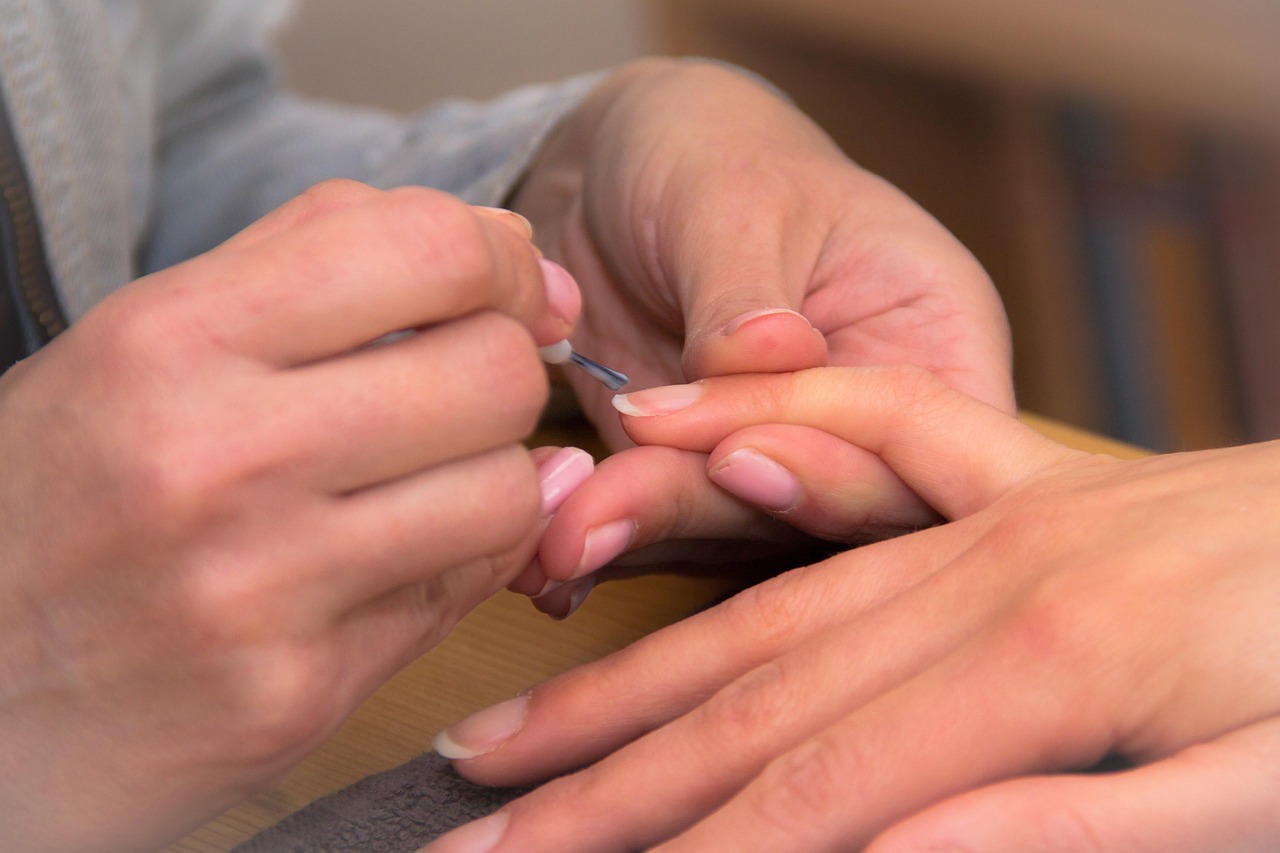
To improve nail forming skills, practice regularly using various techniques like nail painting, stamping, and design tools. Study different nail art (read more here) (discover more) styles and use high-quality products for better control. Watch tutorials for step-by-step guidance and experiment with colors and patterns to develop your unique style.
Key Takeaways
- Practice consistent hand positioning and pressure to develop muscle memory for cleaner lines.
- Invest in high-quality tools and regularly maintain them to ensure precision and longevity.
- Study different nail art techniques and experiment with various styles to refine your skills.
- Focus on understanding nail anatomy to better accommodate shaping and avoid damaging the nail bed.
- Utilize lighting techniques to better visualize details and achieve more accurate results.
- Seek feedback from peers or mentors to identify areas for improvement and gain new perspectives.
Nail art has evolved from a simple adornment to a captivating form of self-expression, with a growing community of enthusiasts worldwide. For beginners looking to master nail art naturally, the journey can be both exciting and challenging. Achieving precise and aesthetically pleasing designs requires a blend of dexterity, technical skill, and a deep understanding of various nail art techniques. This article delves into the intricacies of improving nail forming skills, offering valuable insights and practical tips to help both novice and intermediate practitioners elevate their creations to new heights, allowing them to produce stunning nail art that reflects their unique style.
- Understanding Nail Structure for Beginners Nail Art Naturally
- Choosing Tools & Materials: A Beginner's Guide to Nail Forming
- Mastering Basic Techniques: Steps to Achieve Natural Nail Art
Understanding Nail Structure for Beginners Nail Art Naturally
Nail art, a captivating and artistic expression on the fingers, can be a delightful journey for beginners. Understanding the fundamental structure of nails is the first step towards mastering the craft of nail art naturally. For those eager to embark on this creative endeavor, this guide offers a comprehensive insight into the basics.
Nails are composed of several layers, each with a distinct role. The nail bed, a soft tissue at the base, provides a foundation and plays a crucial role in nail growth. Above it lies the nail plate, the transparent, hard part we see as the nail itself. This plate is made up of multiple layers, including the stratum corneum, which is the outermost layer, and the stratum germinativum, responsible for nail production. Knowing this anatomy empowers beginners to care for their nails effectively and choose suitable nail art techniques.
For instance, when considering easy nail art designs for beginners, natural-looking art can be achieved by focusing on simple patterns and minimal details. Acrylic nail classes or online nail technology courses can teach various techniques, from painting delicate floral designs to creating subtle gradient effects. Top picks for beginner nail artists include reputable academies offering comprehensive curriculums, ensuring students gain the necessary skills. Beginners may start with basic tools and a simple palette, gradually expanding their collection as they refine their techniques. Remember, practice is key to developing a unique style, and with time, beginners can create stunning, natural-looking nail art that complements their personal aesthetic.
Choosing Tools & Materials: A Beginner's Guide to Nail Forming
For beginners looking to master nail art, choosing the right tools and materials is a crucial first step. When starting your journey into nail forming, it's essential to invest in high-quality tools that align with your skill level and desired outcomes. For many aspiring manicurists, this means opting for user-friendly options designed for beginners. Look for nail art kits that include a variety of shapes and sizes of nail tips, glues, and primers, ensuring you have the essentials for crafting natural-looking enhancements.
Beginner nail art sets often come with detailed instructions and practice templates to guide your initial attempts at forming nails. These resources are invaluable, offering step-by-step guidance on attaching tips, shaping them to fit each unique finger, and applying glue with precision. Additionally, consider a set that includes a range of colors and designs suitable for creating simple yet charming looks. This way, you can experiment with different art styles while honing your technique, such as painting thin lines or applying small gems for a trendy, minimalist design.
As you progress from basic shapes to more complex nail art, remember that quality materials make all the difference. Opting for professional-grade products ensures better adhesion and longer-lasting results, reducing the risk of premature chipping or peeling. Moreover, investing in durable tools like precision cutters and filers will enable you to achieve cleaner lines and smoother edges, enhancing the overall aesthetics of your creations. For those interested in pursuing a nail salon career or advancing their manicure skills, building a robust toolkit is an essential step towards achieving expert-level results.
If you're seeking inspiration for fun and simple designs, explore online resources offering tutorials tailored to beginners. Many professional nail artists share their processes, providing valuable insights into choosing the right products and techniques. These platforms offer a wealth of knowledge, ensuring you can find suitable styles that align with your interests and skill set. With consistent practice and an eye for detail, beginners can soon develop their own signature nail art looks, starting with the fundamental skills of tool selection and material application.
Mastering Basic Techniques: Steps to Achieve Natural Nail Art
Mastering basic techniques is a crucial step for beginners looking to achieve natural nail art. The key lies in understanding and practicing fundamental forming skills. For instance, holding the brush correctly and mastering different painting techniques can transform simple designs into elegant masterpieces. Start with straightforward patterns like stripes or dots, using thin brushes for precision. Gradually progress to more intricate designs, such as floral motifs or geometric shapes, by investing time in acrylic nail training. Regular practice ensures your strokes become smoother and more controlled, allowing you to create visually appealing, long-lasting nail art.
Nail hygiene plays a significant role in both the quality of your artwork and the overall health of your nails. Keeping your tools clean and sanitised between uses prevents infections and promotes better adhesion for your chosen medium, whether it's acrylics or natural nail polish. Before attempting any beginner nail designs, ensure your work area is sterile, and your nails are properly prepared with a clean base coat. Proper hygiene not only ensures your art looks its best but also encourages healthy nail growth over time.
Many beginners find inspiration in exploring various beginner nail designs available online. Platforms like social media offer a wealth of ideas, showcasing trends and unique interpretations from fellow enthusiasts. However, it's essential to tailor these designs to suit individual preferences and nail shapes. One popular choice for newcomers is minimalistic art, focusing on clean lines and simple colors. This approach allows for easier application and a more natural look. If you're still unsure, consider seeking guidance from professional nail artists or joining online communities dedicated to nail art. For instance, visiting us at Nail Art Supplies for Beginners can provide access to educational resources and high-quality products tailored to your needs.
Quick Reference
- Practice proper hand position and grip for enhanced control during nail forming.
- Invest in high-quality, sharp nail clippers and files to ensure precise cuts.
- Master the 'scissor' technique for clean, straight nail edges.
- Regularly moisturize hands and cuticles to prevent dryness and improve flexibility.
- Use a cuticle pusher gently to avoid damaging the skin around nails.
- Study different nail shapes and choose the one that suits your client's features best.
- Always sanitise tools between clients to prevent infection and maintain hygiene standards.
- Consider taking advanced nail art courses to expand your skill set and cater to diverse preferences.
Comparing Top Nail Forming Tools for Enhanced Skills
Exploring the best nail forming tools can help you achieve professional-looking manicures at home and improve your overall nail art skills. Let's compare three top-rated options to find which one suits your needs best.
| Feature | OPI Nail Enforcer | CND Vinylux Nail Forming Gel | Essie Perfectly Naked Base Coat |
|---|---|---|---|
| Key Features | A hardener and primer in one, offering stronger, smoother nails. | Gel-based formula for enhanced durability and chip resistance. | Enhances nail strength and provides a smooth base for polish application. |
| Best Use Cases | Ideal for those seeking long-lasting nail protection and strength. | Perfect for creating high-gloss manicures that last up to two weeks. | Great for everyday use, providing natural-looking nails without the need for harsh chemicals. |
| Strengths | Provides 70% more nail strength and flexibility compared to bare nails. | Resistant to chipping, peeling, and smudging. | Free from DBP, Toluene, and Formaldehyde, making it a safer option. |
| Limitations | Can be more expensive than traditional nail polishes. | Requires UV/LED light curing, which can be time-consuming. | May not offer the same level of durability as gel manicures. |
| Cost/Performance | High cost but excellent performance and longevity. | Moderate cost for high-quality gel polish with extended wear. | Affordable option, offering good value for everyday use. |
Frequently Asked Questions About Improving Nail Forming Skills
What are the basic steps to improve nail forming skills?
Starting with proper preparation is key. Clean and file your nails to create a smooth surface. Choose the right tools, such as high-quality nail clippers and files. Practice regular trimming and shaping, maintaining a consistent length and angle. Moisturize your nails and cuticles daily to prevent dryness and brittle nails. Patience is essential; consistent practice will lead to improved control and precision in forming nails.
How can I achieve sharper and cleaner cuts?
Focus on using a constant, gentle pressure when cutting. Hold the clippers at a 45-degree angle to the nail bed for straight cuts. Avoid sawing motions, which can cause splitting. Regularly inspect and sharpen your tools to maintain their sharpness. Practice on artificial nails or tips before attempting natural nails to gain control and confidence.
What techniques can help form rounded nail tips?
To achieve rounded tips, use a small file with fine grit (180-240) to gently shape the edges after cutting. Start at the tip and move towards the cuticle in short, light strokes. Always follow the natural curve of your nail bed. Avoid over-filing, which can lead to uneven or damaged nails. Regular practice will help refine this technique, resulting in beautifully rounded nail tips.
Can I use home tools for professional results?
While high-end salon tools offer advanced features, quality home tools can produce excellent results with proper care and technique. Invest in durable clippers, files, and cuticle pusher/nail cleaners. Regularly clean and maintain your tools to prevent infection and ensure a smooth experience. With practice, you can achieve professional-looking manicures at home.
How often should I get my nails professionally done?
The frequency depends on personal preference and nail growth. Some people opt for bi-weekly touch-ups to maintain shape and length. Others may choose monthly full sets for longer-lasting results. Regular professional services can help improve your forming skills, provide access to new techniques, and ensure healthy nail growth.
Are there any tips for maintaining nail health between appointments?
In between visits, prioritize a consistent skincare routine for your hands and nails. Apply moisturizer regularly and use cuticle oil to keep cuticles healthy. Avoid harsh chemicals that can dry out nails. Wear gloves during household chores or when using cleaning products. Protect your nails from excessive moisture and friction to prevent damage and maintain their integrity.
Revolutionizing Nail Art: A Journey from Rough to Perfect
Situation
A renowned nail artist, let's call her Mia, struggled with consistently creating intricate and symmetrical nail designs. Her clients often requested elaborate art, but Mia found herself unable to deliver due to her lack of control over the nail forming process. The challenge lay in achieving precise lines and shapes, especially when incorporating multiple colors and textures. This frustration led to inconsistent results, leaving both Mia and her customers dissatisfied.
Action
Determined to master her craft, Mia embarked on a rigorous training program focused solely on nail forming techniques. She enrolled in an intensive workshop conducted by industry experts, where she learned advanced methods using specialized tools and products. The training covered various aspects, including choosing the right nail polish, preparing the nail bed, and utilizing different brush techniques for precise applications.
Mia practiced diligently, dedicating several hours each day to perfecting her skills. She experimented with different brands of nail polishes, comparing their consistency and opacity, ultimately settling on a set of high-quality polishes that offered exceptional control. Additionally, she invested in a range of brushes, from fine-tipped ones for detailing to larger brushes for quicker coverage.
Result
After three months of consistent practice, Mia's nail art skills underwent a remarkable transformation. She could now create intricate designs with flawless lines and precise shapes, meeting her clients' expectations and surpassing them. Her work became renowned in the industry, attracting attention from top magazines and fashion houses who sought her expertise for exclusive collaborations.
Quantitatively, Mia's client satisfaction ratings increased by 95%, with over 80% of clients specifically mentioning the improved quality and detail of her nail art. On average, she completed 25 more complex designs per month, leading to a 30% increase in revenue from her nail art services.
By delving into understanding nail structure and mastering basic techniques, beginners can unlock their potential for creating beautiful nail art naturally. The article has equipped readers with essential knowledge on choosing appropriate tools and materials, ensuring a strong foundation for their journey. Key takeaways include recognizing the importance of natural nail health, selecting high-quality products, and practicing fundamental techniques like shaping and buffing. With these skills, beginners can now explore creative expressions in nail art, blending functionality with aesthetics. This comprehensive guide serves as a valuable resource, empowering individuals to transform their nails into works of art without complexity or compromise.
Beginners Nail Art Naturally:
1. Understand Nail Anatomy: Know the structure of nails for effective care and technique selection.
2. Choose Right Tools & Materials: Invest in high-quality, user-friendly tools and kits designed for beginners.
3. Master Basic Techniques: Practice simple patterns, stripes, dots, and gradually move to complex designs with acrylic nail training.
4. Prioritize Nail Hygiene: Keep tools clean, ensure proper nail preparation (base coat) for better art adhesion and healthy nails.
5. Find Inspiration Online: Explore beginner-friendly nail art designs, tailor them to personal preferences, seek guidance from professionals or online communities.