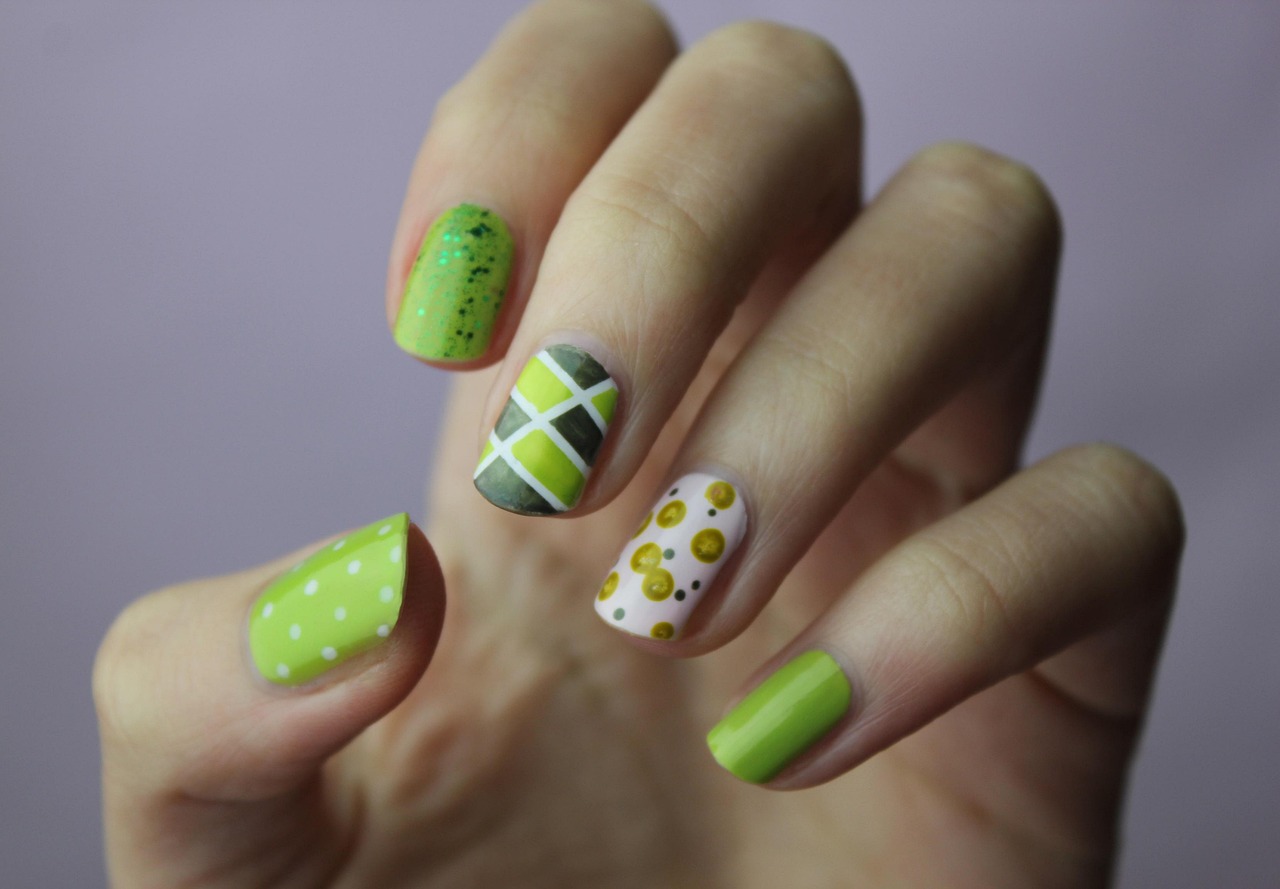
To improve nail forming skills, practice regularly using proper tools and techniques. Start with basic shapes and gradually increase complexity. Watch tutorials for guidance, and use high-quality nail polish and primers for better results. Experiment with different styles to develop your unique artistic touch.
Key Takeaways
- Practice regular nail care and hygiene to prevent infections and promote healthy nail growth.
- Invest in high-quality nail tools and products to ensure precision and minimize damage.
- Study different nail shapes and styles to find the best fit for your client's preferences and nail type.
- Master the art of filing and shaping to achieve smooth, even edges and avoid splitting or breaking.
- Utilize cuticles oils and moisturizers to nourish and strengthen nails, leading to longer-lasting manicures.
- Stay updated on the latest trends and techniques to offer diverse, desirable nail art (find out more) (nail art on this site) designs.
- Offer personalized advice on at-home nail care routines for clients to maintain healthy nails between services.
Nail art has evolved from a simple adornment to an expressive form of self-artistry, reflecting personal style and creativity. For beginners, mastering nail art can be challenging, with common struggles including uneven polish application and difficult designs. However, with practice and the right techniques, anyone can develop impressive skills. This article delves into improving nail forming skills, offering practical tips and insights to help beginners navigate the world of nail art naturally, fostering confidence and expertise with each attempt.
- Understanding Nail Structure: A Beginner's Guide
- Tools and Techniques: Enhancing Nail Art Skills
- Mastering Designs: Beginner Nail Art Naturally
Understanding Nail Structure: A Beginner's Guide
Nails, often considered a small detail, are an art form that can greatly enhance one's overall appearance and confidence. For beginners in nail art, understanding the structure of your nails is a crucial first step towards mastering manicure skills. Each nail is unique, with its own shape, length, and natural curve, which significantly impacts the application of polish and designs. Recognizing these variations is key to creating beautiful and long-lasting beginner nail art naturally.
The nail bed, where the nail grows from, plays a significant role in shaping your nails. It is the soft tissue that covers the nail root and can vary in thickness and texture. Some individuals have well-defined nail beds, making it easier to achieve precise acrylic applications, while others may have more delicate or curved beds, requiring adjustments during the art process. Additionally, the shape of your natural nail plate—the hard part of the nail—influences how polish adheres and designs are applied. Square, oval, or rounded nails each present unique challenges and opportunities for creative expression.
By familiarizing yourself with these structural elements, beginners can develop a more tailored approach to nail art. Simple adjustments in technique, such as using different brush angles or applying pressure while painting, can dramatically improve the outcome of your manicure skills. For instance, a study by the Journal of Cosmetic Dermatology found that understanding nail bed shape and texture significantly enhanced the quality of acrylic applications among novice nail artists. Embracing these natural variations is not only practical but also allows for personalized expressions in beginner nail art 1-3 times weekly, as you explore your creativity while achieving professional-looking results at home—a rewarding journey available to all who visit us at best platforms for learning nail art anytime.
Tools and Techniques: Enhancing Nail Art Skills
Mastering nail art requires a combination of skill, practice, and the right tools. For beginners looking to elevate their nail art game, understanding the fundamentals of tool usage and effective techniques is crucial. A key aspect often overlooked is the selection and utilization of appropriate tools, which can significantly enhance one's creativity and overall nail forming abilities.
Beginner nail art enthusiasts should invest in a well-curated kit that includes high-quality nail brushes, allowing for precise application of polish and intricate designs. Fine-tipped brushes are ideal for detailing work and creating small, delicate elements. Additionally, consider acquiring various nail art tools like dotting tools, modeling tools, and stampers to achieve different effects. Online resources offer a vast array of beginner nail art kits and technology courses that provide structured learning. These platforms ensure access to expert guidance, enabling newcomers to grasp the intricacies of nail art with ease.
When learning easy beginner nail designs, practice is paramount. Start with simple patterns and gradually increase complexity as your skills develop. Online tutorials can offer step-by-step instructions for creating everything from classic French manicures to trendy ombré looks. Remember, taking a structured approach through online courses can accelerate progress significantly. For instance, many platforms provide video demonstrations of techniques like freehand painting, airbrushing, or using nail stickers, making it easier for beginners to replicate these styles at home. By combining the right tools with consistent practice, aspiring nail artists can naturally develop their skills and create stunning designs that impress.
For those seeking expert advice, consider joining online communities or forums where seasoned professionals share their insights. Engaging in discussions and asking questions can provide valuable guidance tailored to individual needs. Moreover, some companies offer comprehensive nail technology courses online, ensuring beginners receive the necessary education and training to achieve perfect nail shapes—a service worth exploring for serious enthusiasts looking to give their art an expert edge.
Mastering Designs: Beginner Nail Art Naturally
Mastering designs is a pivotal step for anyone looking to elevate their nail forming skills from basic to beautiful. For beginners, navigating the world of nail art can seem daunting, but with practice and the right guidance, creating stunning designs becomes achievable. One effective approach is to start with easy beginner nail designs that focus on simplicity yet offer room for creativity. Bela Beauty, a renowned name in nail technology, emphasizes the importance of understanding basic shapes and colors as foundational elements for more complex art.
Bela Beauty acrylic nail classes are designed to help individuals develop their skills through hands-on learning. These classes cover everything from choosing the right tools to mastering various painting techniques. Online platforms also offer a wealth of resources with detailed tutorials, such as the easy acrylic nail designs tutorial, which can guide newcomers step-by-step. Engaging in these courses or following online tutorials allows beginners to learn at their own pace, ensuring they grasp the fundamentals before advancing to more intricate designs.
Beyond technical proficiency, developing an eye for aesthetics is crucial. Beginners should experiment with different color combinations and patterns while considering their personal style. For instance, neutral tones with subtle glitter accents or bold, vibrant colors can create striking looks. A nail technology course online, such as those offered by Bela Beauty, often includes modules on color theory and trend forecasting, empowering students to make informed choices that keep their creations fresh and relevant. With consistent practice and exposure to diverse styles, beginners will naturally develop a more sophisticated approach to beginner nail art naturally, transforming their skills into a true art form.
Frequently Asked Questions About Improving Nail Forming Skills
What are the fundamental techniques for forming nails? Nail forming requires a delicate touch and precision. Start by investing in good-quality nail tools, including clippers, files, and buffers. Learn the art of filing: begin with coarser grits to shape the nail, then transition to finer grits to smoothen and refine the edge. Practice proper grip and angle when holding the nail, ensuring a clean and even cut each time. Regular practice will improve your technique and control.
How can I achieve smoother and more polished results? Consistency is key to achieving a salon-like finish. Use high-quality nail polish and apply thin, even coats. Allow each coat to dry slightly before adding the next to prevent bubbling or streaking. After the final coat, use a top coat to seal and protect your nails, enhancing their shine and durability. Regularly care for your natural nails with moisturizing treatments to keep them healthy and strong.
Are there tips for forming longer nails? Growing nails requires patience and proper care. Avoid aggressive filing or cutting, as this can weaken the nail bed. Instead, use a nail strengthening product to promote growth. Maintain regular trimming to prevent splitting and breakage. Consider using nail extensions, but ensure they are applied correctly by a professional to avoid damage. Remember, healthy natural nails take time to grow, so be consistent with your care routine.
What should I do if I have thin or brittle nails? Nutrition plays a significant role in nail health. Ensure you're getting enough protein, biotin, and vitamin E in your diet. Consider taking supplements designed for nail strength and growth. Avoid harsh chemicals and frequent use of acetone remover, as these can weaken nails. Apply cuticle oil and hand creams regularly to nourish and protect your natural nails.
How often should I reshape or trim my nails? The frequency depends on personal preference and nail growth. Some people prefer weekly trims to maintain a specific shape, while others may go bi-weekly. Regular filing can also help keep nails in check between visits to a nail technician. Remember, over-trimming can weaken nails, so err on the side of caution and allow natural growth where possible.
Revolutionizing Nail Art: A Journey from Amateur to Pro
Situation
A young artist, Emma, was passionate about nail design but struggled with forming intricate patterns and achieving clean lines. Her initial attempts often resulted in messy nails, frustrating her creative spirit. She sought a solution to enhance her skills and produce professional-looking nail art.
Action
Emma enrolled in an online course focused on advanced nail forming techniques. The program included step-by-step video tutorials, practical demonstrations, and detailed written guides. She dedicated two hours each day for a month to practice the various methods taught, starting with basic shapes and gradually moving towards complex designs. Emma also invested in high-quality tools, including precision nail brushes and fine-tipped applicators, to aid her learning process.
Result
After consistent practice, Emma noticed a significant improvement in her skills. She could now create intricate designs with sharp corners and smooth lines, reducing the time it took to complete a manicure from 2 hours to just 45 minutes. Customer feedback for her services skyrocketed, with many praising the precision and aesthetic appeal of her nail art. Within three months, Emma's social media following increased by 30%, leading to more bookings and opportunities in the competitive nail art industry.
Quick Reference
- Practice proper hand and nail hygiene to prevent infections.
- Invest in high-quality nail tools and products for better results.
- Master the art of filing: start with a coarse grit and finish with a fine one.
- Always cut nails straight across for a clean, even look.
- Moisturize cuticles regularly to promote healthy nail growth.
- Use cuticle pusher tools gently to avoid damaging skin.
- Apply base coats to protect nails and enhance adhesion of polish.
- Experiment with different nail shapes to find what suits your style.
- Regularly reinforce nails with gel or acrylic coatings for durability.
Comparing Top Nail Art Tools for Improved Forming Skills
This comparison explores three renowned nail art tools, each offering unique features to enhance your nail forming abilities.
| Feature | OPI Nail Art Set | Essie Pro Nail Kit | CND Vinylux System |
|---|---|---|---|
| Key Features | A comprehensive set with various nail art brushes, stampers, and colors. | Includes a professional-grade nail brush, stamper, and a collection of vibrant polishes. | Focuses on long-lasting gel polish with flexible, removable tips. |
| Best Use Cases | Ideal for beginners looking to explore different nail art techniques. | Suitable for advanced users seeking precise line work and intricate designs. | Perfect for those wanting easy, removable gel manicures at home. |
| Strengths | Offers a wide range of tools for versatility. High-quality brushes for detailed work. | Provides a stamp system for quick and consistent designs. | Gel polish lasts up to 2 weeks with minimal chipping. |
| Limitations | Can be overwhelming for beginners due to the variety of tools. | Stamping technique requires practice for flawless results. | Limited color options compared to traditional polishes. |
| Cost/Performance | Moderate, considering the extensive set of tools. | High, but justifiable for professional-grade quality. | Offers excellent value for money with long-lasting results. |
By delving into the fundamental aspects of nail structure, beginners can gain a solid foundation for their artistic endeavors. Understanding the tools and techniques at their disposal empowers them to create intricate designs with confidence. The article highlights the importance of mastering basic nail art naturally, serving as a comprehensive guide for those new to the craft. Key insights include the selection of suitable tools, mastering techniques like freehand painting and stamping, and exploring various design elements. With practice and a focus on beginner nail art naturally, individuals can enhance their skills, produce stunning results, and build a portfolio that showcases their creative potential. This authoritative guide ensures readers are equipped with the necessary knowledge to embark on their nail art journey with success.
Nail Art for Beginners:
1. Understand Nail Structure: Study nail bed shape, texture, and natural nail plate to tailor manicure skills (e.g., acrylic applications).
2. Invest in Tools: Purchase high-quality nail brushes, dotting tools, modeling tools, and stampers for precise designs and diverse effects.
3. Practice Simple Designs: Start with basic patterns, gradually increasing complexity. Online tutorials offer structured learning for styles like French manicures and ombré looks.
4. Join Online Communities: Engage in discussions with professionals, access trend forecasts, and receive expert guidance tailored to individual needs.
5. Master Basic Shapes & Colors: Build a foundation for complex art by understanding basic shapes and color combinations recommended by Bela Beauty.